Do bees like lavender, and why?
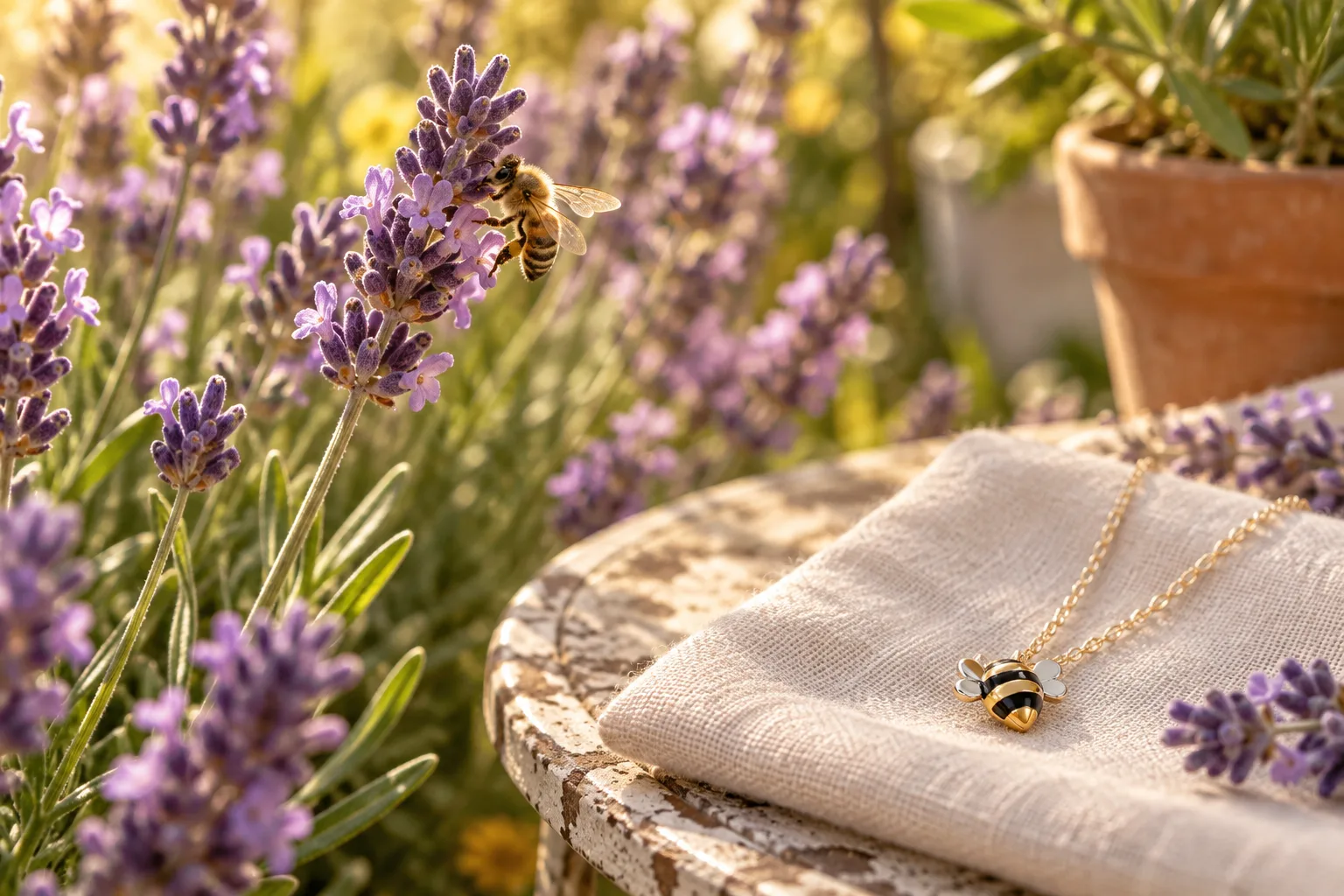
Yes, bees like lavender because its flowers provide nectar, a food source for adult bees. Honey bees and bumble bees commonly visit flowering lavender. For a bee-friendly planting, choose a variety suited to your climate, give it plenty of sun and well-drained soil, and avoid spraying insecticides on the flowers.
If you are choosing one flowering herb for a sunny garden corner, lavender is a useful option. It combines fragrant foliage with clusters of small flowers that visiting bees can work through one bloom at a time. However, it works best as part of a varied planting rather than as the only food source available.
The University of California, Davis, includes lavender among plants used in its bee-gardening resources. That makes lavender for bees a practical starting point, not a promise that every plant will attract the same number or kinds of pollinators.
What do bees get from lavender flowers?
Lavender flowers offer nectar that supplies bees with carbohydrates for energy.
Foraging honey bees collect nectar and carry it back to their colony, where it can be processed into honey. Bumble bees also visit lavender to feed and gather food for their colonies. The queen bee does not direct individual honey bees to a particular lavender plant; worker bees locate and use suitable flowers.
According to the USDA Natural Resources Conservation Service, bees need access to both nectar and pollen resources. Nectar supplies energy, while pollen provides protein and other nutrients needed for developing young. Lavender nectar is useful, but a lavender-only garden cannot meet the varied needs of every local bee species.
Think of lavender as one stop in a larger neighborhood of flowers. Different flower shapes, plant species, and flowering times help support a broader range of bees than a single repeated plant.
Which types of lavender are good for bees?
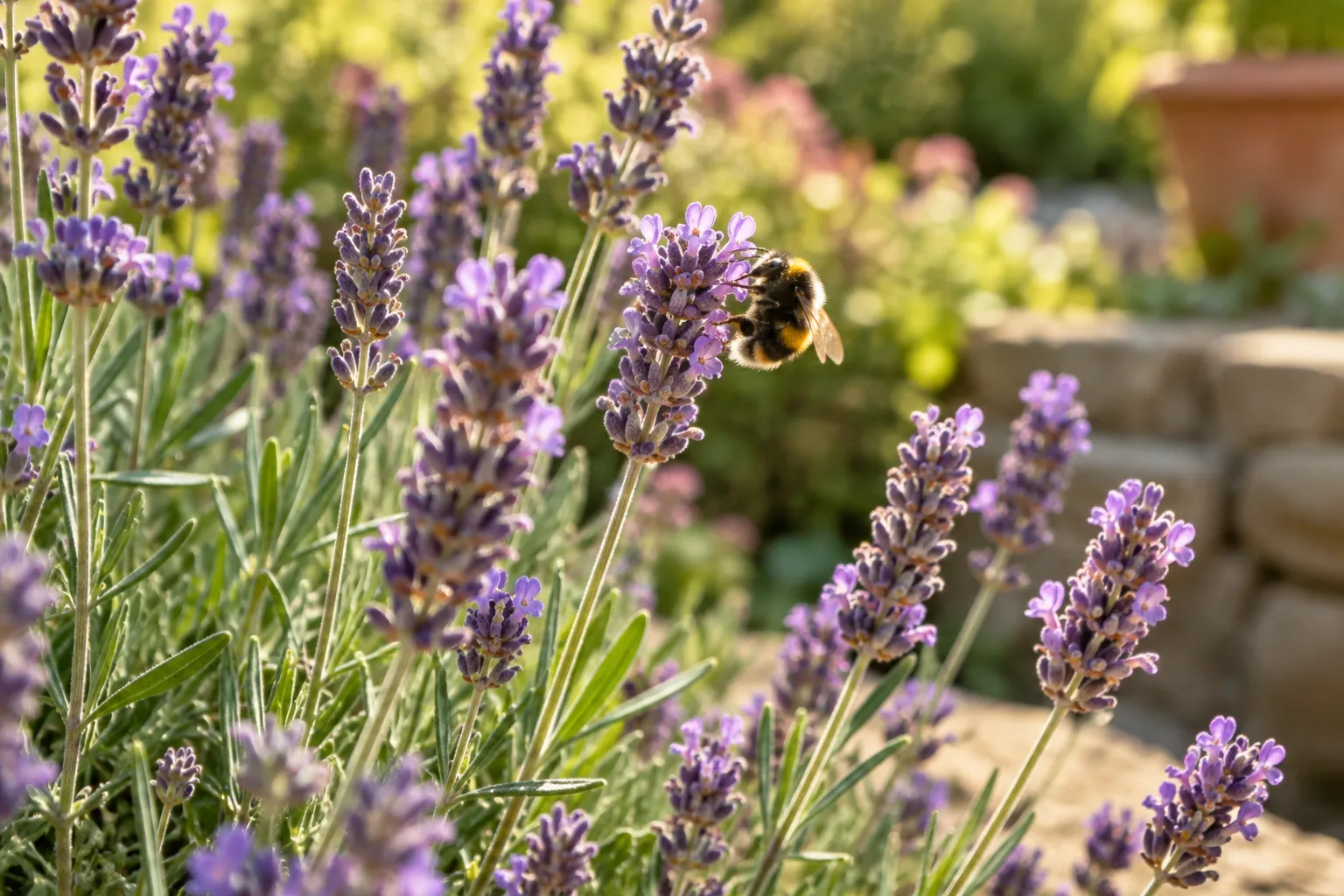
Several types of lavender attract bees, and the best choice is usually one that grows and flowers reliably in your local conditions.
There is no single variety that is universally best across the United States. Winter temperatures, humidity, summer heat, and soil drainage all affect how well lavender performs. Check the specific cultivar's growing requirements rather than relying only on the word lavender on a nursery label.
- English lavender: Lavandula angustifolia is commonly grown in sunny, well-drained gardens and includes cultivars suited to colder winters than many other lavender types can tolerate.
- Lavandin: Lavandula × intermedia is a hybrid group that often develops larger plants and long flower stems. Allow enough room for its mature spread.
- Spanish lavender: Lavandula stoechas has distinctive upright bracts above its flower heads. It generally suits milder winter conditions, although hardiness varies by cultivar.
Common names can vary between sellers, especially for French and Spanish lavender. Use the botanical name and cultivar information to check what you are buying. A local university extension office can help identify varieties appropriate for your region.
Where should you plant lavender to attract bees?
Plant lavender in a sunny location with excellent drainage and enough space for bees to visit without crowding busy walkways.
Lavender generally performs best in full sun, commonly understood in gardening as at least six hours of direct sunlight daily. Poorly drained soil is a frequent problem, particularly where winter rain or humid conditions keep roots wet. Avoid assuming that extra watering or fertilizer will produce more flowers.
Use these placement tips when planning a bee-friendly lavender patch:
- Follow the plant's spacing guidance: Leave room for mature growth and airflow rather than packing young plants tightly together.
- Check drainage first: A suitable raised bed or container may work better than a low area where water collects.
- Keep flowers out of foot traffic: Set plants back from narrow paths, doorways, and children's play routes.
- Make maintenance easy: Choose a spot where you can water the soil and prune without repeatedly brushing through flowering stems.
You do not need to place lavender beside a beehive. Foraging bees can discover suitable flowers in ordinary residential gardens, although visitation depends on the surrounding habitat and local bee populations.
Do bees like lavender in pots as much as in beds?
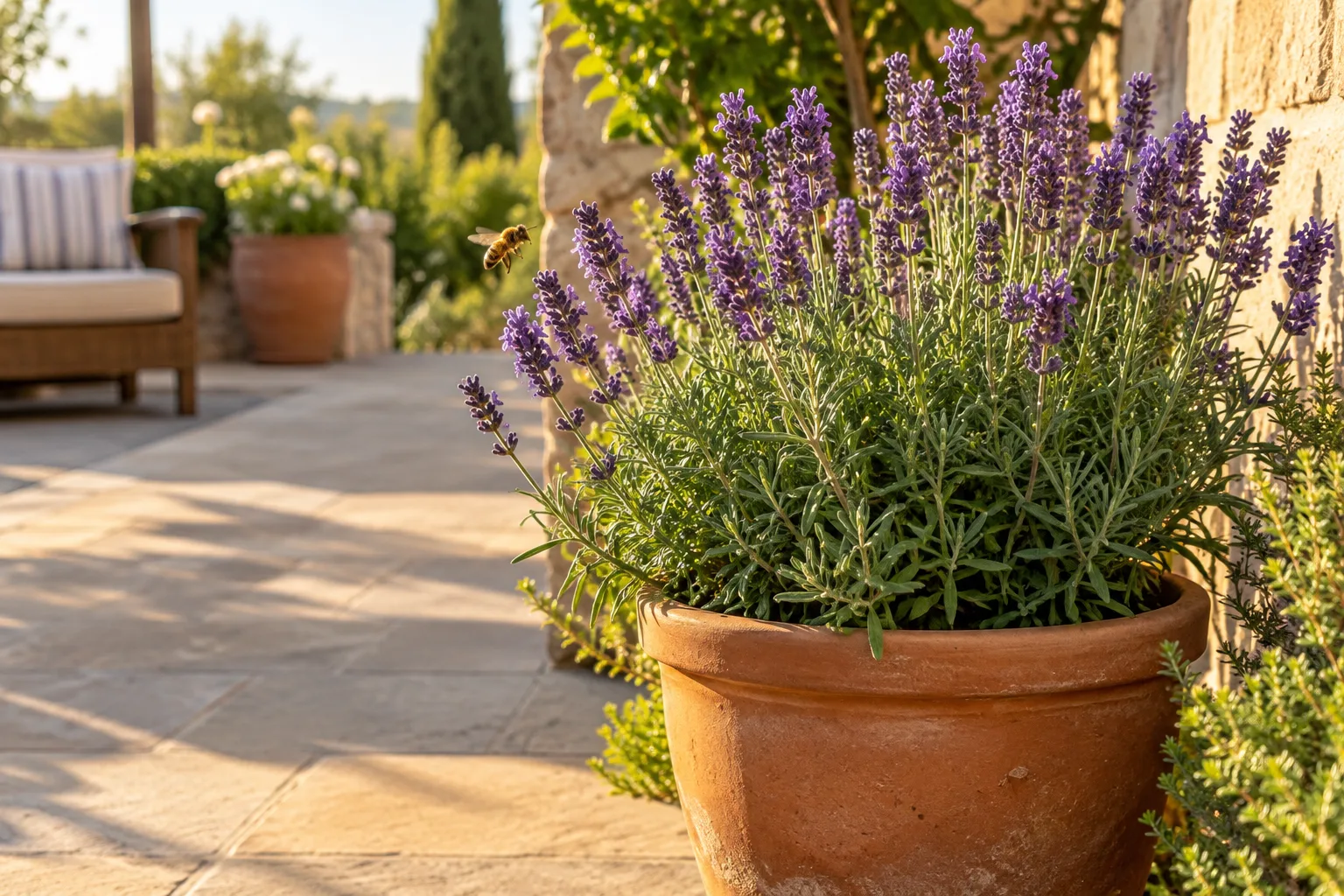
Bees can visit lavender in pots just as they visit lavender growing in garden soil, provided the plant is flowering and accessible.
The container itself is not the attraction; the flowers are. Choose a compact cultivar if space is limited, and use a container with drainage holes. A potting mix appropriate for lavender helps prevent prolonged soggy conditions around the roots.
Container plants may dry out faster than plants in the ground, so check moisture rather than following a rigid watering calendar. Water when needed, allow excess water to drain, and do not leave the pot standing in a water-filled saucer.
A sunny patio container can make bee watching easy, but avoid putting it directly beside a frequently used chair or doorway. In cold climates, container roots are more exposed to freezing temperatures, so ask your local extension service about overwintering options.
How can you make lavender more useful to pollinators?
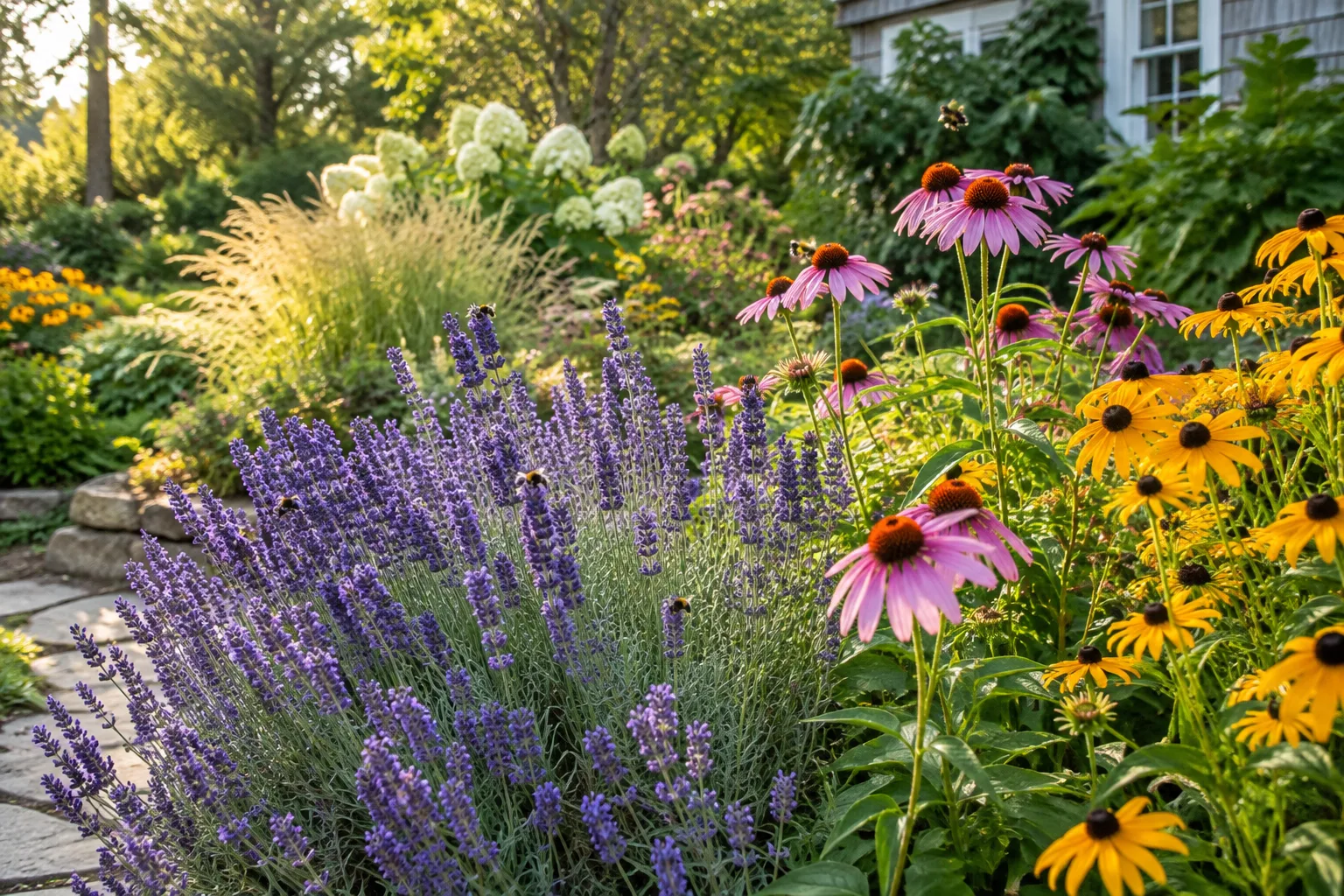
Keep some flowers available for bees, avoid unnecessary pesticide use, and pair lavender with plants that bloom at other times.
Harvesting every flower stem for bouquets removes the food those flowers would otherwise provide. If you enjoy drying lavender, leave a portion of the flowering stems for visiting insects. After blooms fade, follow pruning guidance for your specific lavender type; pruning does not guarantee another flush of flowers.
The USDA Natural Resources Conservation Service emphasizes diverse flowering habitat for pollinators. Add regionally appropriate native plants that flower before and after your lavender flowering season. Native plants can also support specialist bees that depend on particular plant groups.
Pesticide-free gardening is a useful goal around bee forage, but address problems through correct plant selection and growing conditions first. If a pesticide is necessary, follow its label and pollinator precautions exactly. Do not assume that a product labeled natural is harmless to bees.
For someone who enjoys creating these small habitat improvements, Project Honey Bees' Original Adopt a Bee® Necklace offers a wearable reminder of that interest. It is a thoughtful companion to a garden-inspired gift, rather than a substitute for providing flowers and habitat.
Why are no bees visiting your lavender?
You may see no bees because few flowers are open, weather limits foraging, other blooms are more attractive, or local bee populations are sparse.
Flower spikes can look colorful before many individual flowers open, and faded heads may remain attractive after their nectar-producing period has ended. Watch for visits during a mild, dry part of the day rather than judging the plant from one brief check in poor weather.
Also consider what else is blooming nearby. Bees may be using another abundant food source, and different bee species have different flower preferences. A plant with few visitors on one afternoon may receive more attention later.
If lavender grows well but local bees consistently favor other flowers, broaden your planting instead of adding more of the same. The UC Davis bee garden resources offer useful ideas for observing bees and building a more diverse garden.
What are frequently asked questions about bees and lavender?
Common questions concern whether lavender attracts or repels bees, which bees visit it, and whether it provides food year-round. Flowering lavender offers nectar to honey bees and bumble bees, but visits depend on bloom availability and local conditions.
Does lavender attract bees or repel them?
Flowering lavender attracts many bees because it offers nectar. Claims about lavender scent or concentrated lavender oil should not be confused with how bees respond to a living plant in bloom.
Do honey bees like lavender?
Yes, honey bees visit lavender flowers for nectar. How many you see depends on the plant's flowering stage, weather, nearby colonies, and other available flowers.
Do bumble bees like lavender?
Yes, bumble bees commonly visit lavender. Their presence varies with local species and conditions, so lavender should be paired with other pollinator-friendly plants rather than treated as a guaranteed attraction.
Does lavender attract bees all year?
No, lavender attracts feeding bees primarily while its flowers are open and providing food. Its flowering season depends on the type, climate, and growing conditions, so include other plants for earlier and later blooms.
How can you turn a love of bees into a thoughtful gift?
Pair practical care for pollinators with a bee-inspired gift that keeps the recipient's interest in nature visible.
Project Honey Bees offers jewelry and small keepsakes, including the Save The Bees® Pin, for gardeners and bee enthusiasts. Review the current product and adoption information for details of what your purchase includes.
Ready to choose something meaningful? Shop all bee gifts, or explore how adoption works before selecting a gift.