Are bees endangered, or are some bees struggling more than others? Bee conservation status depends on the species and the assessment being used. Honey bees, bumble bees, and solitary native bees do not share one conservation label. Understanding those differences helps you interpret alarming headlines, choose useful conservation actions, and find meaningful ways to support pollinators without relying on exaggerated claims.
What does bee conservation status tell us?
Bee conservation status describes a particular bee species’ extinction risk or legal protection, not the condition of all bees together. Some native bee species are federally endangered, while western honey bees are not listed as endangered under the U.S. Endangered Species Act. The answer depends on the species, location, and assessment.
A conservation assessment and a legal listing are related but different. An assessment evaluates extinction risk using available evidence; a legal listing establishes protection under a particular law. A species can be declining without already appearing on a federal endangered species list.
Under the U.S. Endangered Species Act, endangered species are in danger of extinction throughout all or a significant portion of their range. Threatened species are likely to become endangered within the foreseeable future, according to the U.S. Fish and Wildlife Service. Those definitions apply to individual species, not to “bees” as a single group.
How does bee conservation status differ for honey bees and native bees?
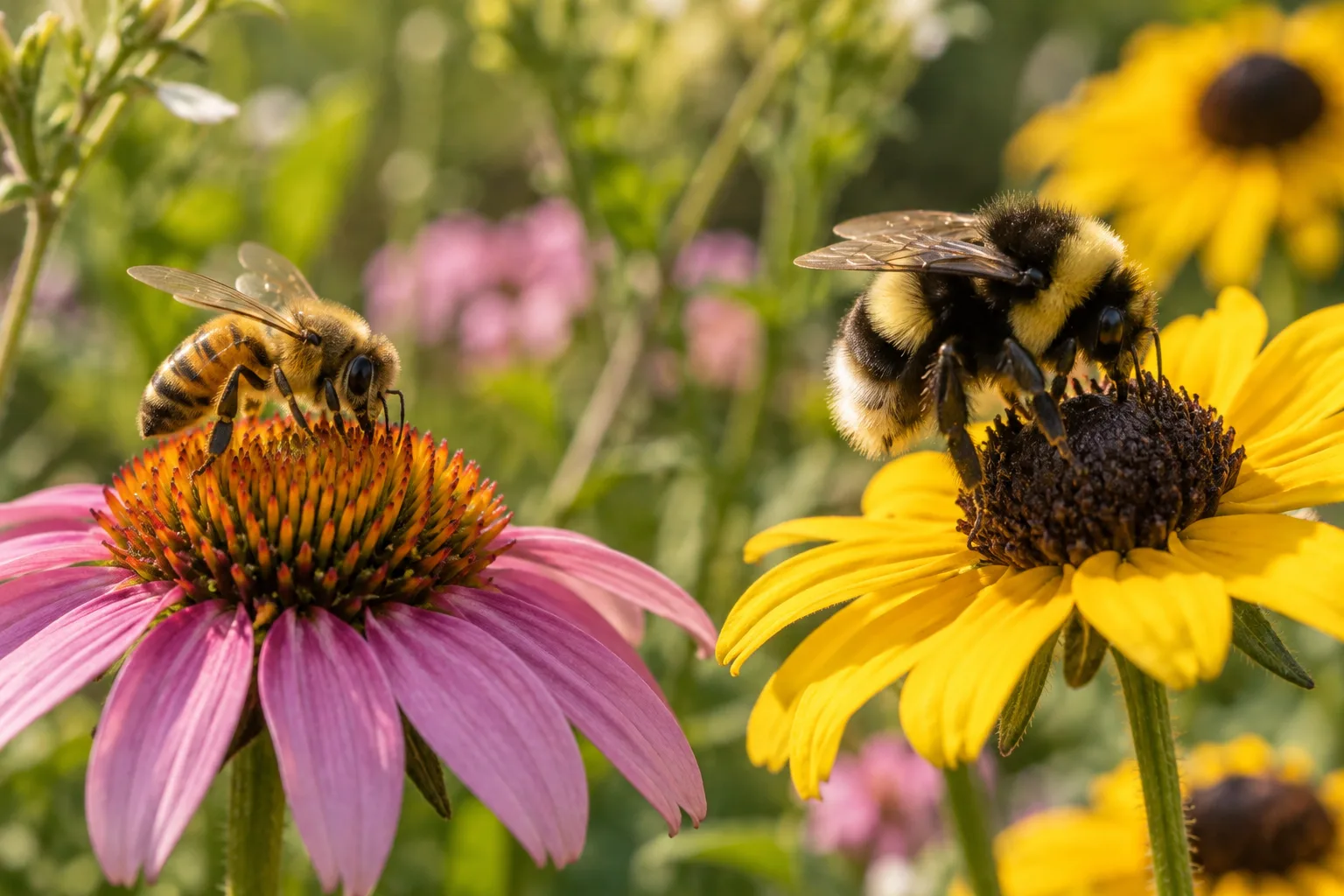
Western honey bees are widely managed agricultural pollinators in the United States and also occur in feral colonies, while native bees include many different wild species with their own conservation needs.
Are honey bees endangered?
Western honey bees, Apis mellifera, are not federally listed as endangered under the U.S. Endangered Species Act. They were introduced to North America and are widely managed for honey production and crop pollination.
That does not mean honey bees are free from serious problems. The USDA Agricultural Research Service identifies parasites such as Varroa mites, diseases, poor nutrition, and pesticide exposure among the challenges affecting honey bee health. Honey bee colony losses are important, but they are not the same measurement as a species’ extinction risk.
Are native bees endangered?
Some native bees are endangered, but native bees as a whole do not have one shared status. Bumble bees, mason bees, leafcutter bees, and other groups contain distinct species with different ranges, nesting habits, and population trends.
Many native bees do not live in large colonies or make harvestable honey. Their survival may depend on particular flowers, undisturbed ground, hollow stems, or other habitat features. Protecting a managed honey bee colony therefore does not automatically meet the needs of wild native bees.
Which bees are federally endangered in the United States?
The rusty patched bumble bee and several Hawaiian yellow-faced bee species are examples of bees listed as endangered under federal law.
The U.S. Fish and Wildlife Service identifies the rusty patched bumble bee, Bombus affinis, as endangered. Its decline illustrates why species-level information matters: the status of this particular bumble bee cannot be applied to every bumble bee seen in a garden.
Federally listed Hawaiian yellow-faced bees belong to the genus Hylaeus. These bees are another reminder that conservation needs can be highly local, involving island habitats and threats that differ from those affecting mainland pollinators.
These examples are not a complete checklist. Before repeating a claim about endangered bees, look up the scientific name and check the current U.S. Fish and Wildlife Service species record. State protections and international assessments may differ from federal listings.
Why are some bee species declining?
Bee declines can involve habitat loss, pathogens, pesticide exposure, climate-related changes, and other pressures that vary by species and location.
The U.S. Environmental Protection Agency describes multiple interacting factors affecting pollinator health. There is no single explanation that fits every honey bee colony or wild bee population. Even neighboring species may respond differently to changes in flowers, nesting sites, and weather.
- Habitat loss: Development and changes in land management can remove flowering plants and nesting places.
- Limited food resources: A brief burst of flowers may not provide pollen and nectar throughout a bee’s active season.
- Pesticide exposure: Risk depends on the chemical, dose, timing, and route of exposure.
- Parasites and disease: These can affect bee health, although the important organisms differ among bee species.
- Climate-related changes: Changes in temperature, precipitation, and seasonal timing can alter suitable habitat and food availability.
For honey bees, Varroa mites deserve particular attention because they parasitize bees and transmit viruses. For a wild bee with a restricted range, losing a small area of essential habitat can be especially consequential. Effective pollinator conservation starts by identifying the actual problem rather than assuming every bee needs the same solution.
How can you evaluate bee conservation projects?
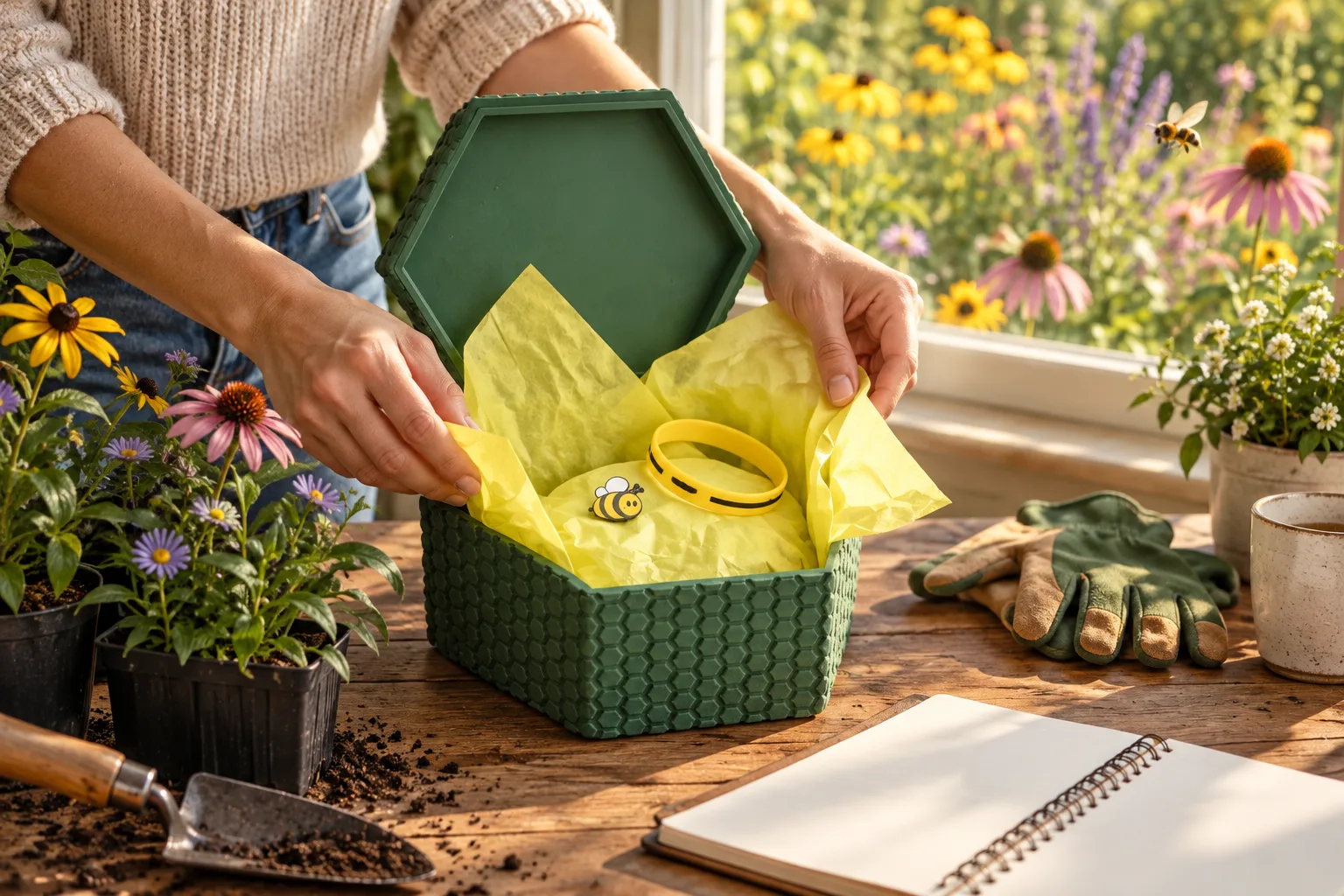
Useful bee conservation projects clearly identify the bees they aim to help, the work they perform, and how they evaluate that work.
“Saving bees” is a broad goal. Restoring native habitat, monitoring a rare species, supporting managed honey bee care, and teaching people about pollinators are different activities. Each can have value, but they should not be presented as interchangeable.
- Ask which bees benefit. Does the project focus on honey bees, wild native bees, or a clearly described combination?
- Look for a concrete activity. Habitat restoration, research, monitoring, and education are more informative descriptions than vague promises.
- Check the location. A project should explain how its work relates to the habitat or community it serves.
- Look for reporting. Clear updates and named partners make a program easier to understand.
- Separate participation from outcomes. Buying a gift or sponsoring an activity does not establish that a particular species has recovered.
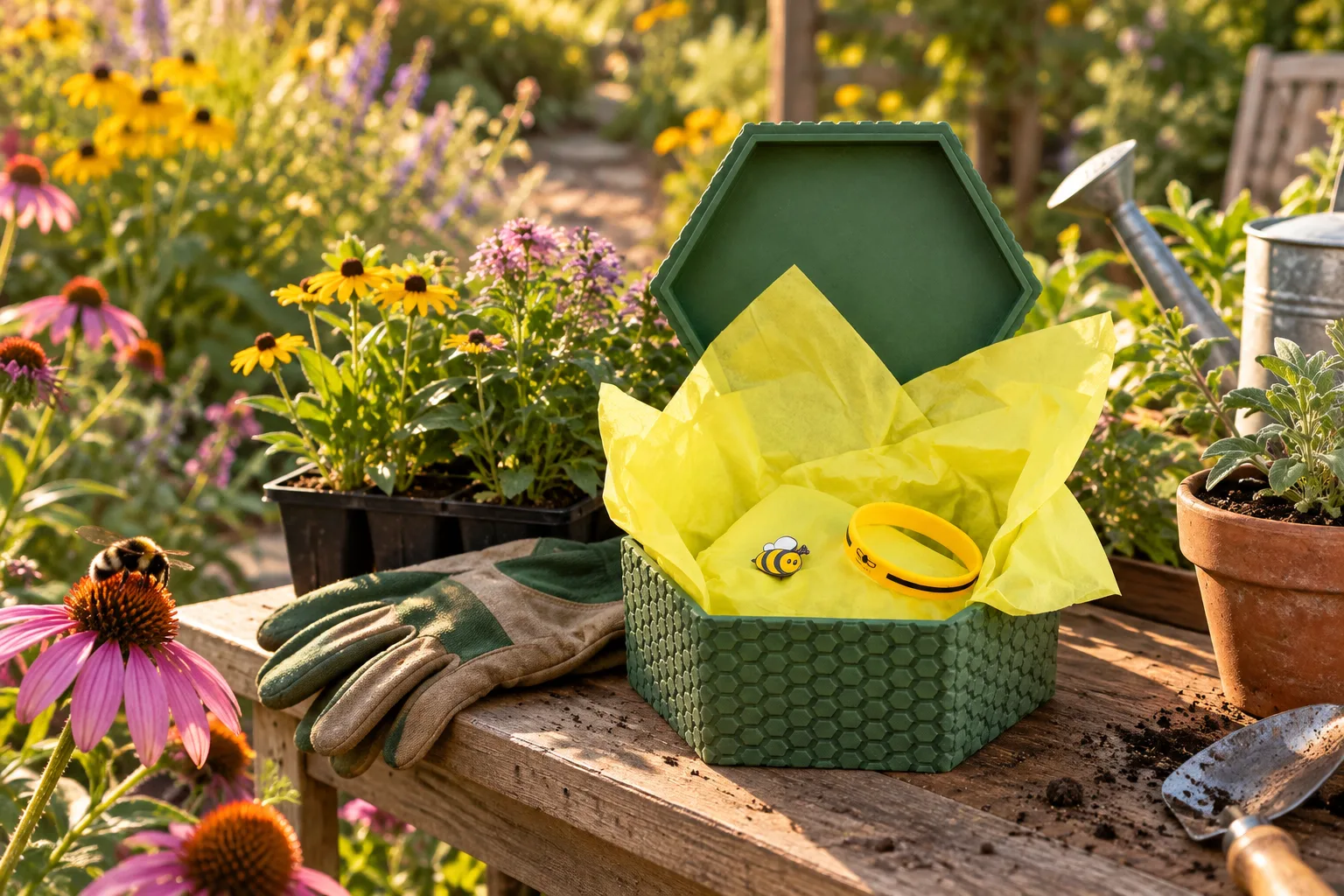
For someone who wants a bee-themed gift, consider the Project Honey Bees Adopt a Bee® Gift Set. Review the current product and program details to understand what adoption includes and whether and how a purchase contributes to conservation. It is a gift option, not a substitute for checking a species’ conservation status.
What should you check before sharing a bee headline?
Check the species, geography, measurement, and source before treating a bee headline as a statement about extinction.
A headline about managed colonies may describe beekeeper losses over a particular period. A report about wild bees may describe changes in abundance, geographic range, or extinction risk. These measurements answer different questions and should not be combined into one sweeping claim.
Use this short reading checklist:
- Species: Does the report name the bee, or use “bees” without clarification?
- Place: Is the finding local, national, or global?
- Measure: Is it counting colonies, individual bees, occupied locations, or species?
- Status: Is a legal listing final, proposed, or under review?
- Source: Can you find the underlying government record or university research?
Be especially cautious with claims that all bees are endangered or that buying one item “saves a species.” Accurate communication can still be hopeful: specific threats can be addressed without exaggerating what one action accomplishes.
What are frequently asked questions about bee conservation?
Common bee conservation questions concern why bees matter, how to protect vulnerable species, and where to find local conservation organizations.
Why are bees important to the environment?
Bees transfer pollen between flowers, helping many flowering plants reproduce. The USDA Forest Service explains that animal pollination supports plant communities, which in turn provide food and habitat for wildlife.
How can we help save the bees from extinction?
Preventing extinction requires species-specific action, including protecting habitat and addressing the threats affecting vulnerable populations. Individuals can contribute by growing locally appropriate flowering plants, protecting nesting areas, reducing unnecessary pesticide use, and supporting transparent conservation work.
How can I find bee conservation organizations near me?
Start with your state wildlife agency, local university extension office, or native plant society for regional recommendations. When comparing bee conservation organizations, ask whether they work with managed honey bees, wild native bees, or both, and look for clearly described projects.
How can you turn concern for bees into a meaningful gift?
Choose a bee-themed gift that makes any claimed conservation connection clear and gives the recipient something they will enjoy using.
The Original Adopt a Bee® Necklace offers a wearable reminder of pollinators, while the Save The Bees® Pin can start conversations on a bag or jacket. Pair either gift with a simple explanation: honey bee health matters, and endangered native bees also need species-specific protection.
Before purchasing, review the current adoption details and look for specific information about any conservation contributions. Ready to choose something meaningful? Shop all bee gifts and learn how adoption works.