A honey-filled comb is more than an impressive piece of construction: it is a colony’s food reserve. If you have wondered what do bees do with honey, the simplest answer is that honey bees eat it and save it for times when fresh nectar is unavailable.
Understanding why bees make honey also explains why a hive needs more than flowers on a sunny afternoon. Honey bees need dependable energy through changing weather and seasons, while their growing young need nutrients that honey alone cannot supply.
What do bees do with honey inside the hive?
Honey bees eat honey for energy and store it as a food reserve when nectar is scarce. Its sugars fuel flying, hive work, and heat production. Stored honey is especially important during cold weather, when workers cluster together and cannot depend on flowers to supply fresh food.
Honey bees obtain carbohydrates from nectar and honey, while pollen supplies protein, fats, and other nutrients. These foods serve different purposes, so a colony needs access to both carbohydrate-rich food and suitable pollen resources.
Think of honey as a pantry rather than a byproduct. A strong colony may accumulate substantial reserves when flowers are abundant, but those reserves have a job to do when the landscape stops providing enough nectar.
Why do bees make honey instead of keeping nectar?
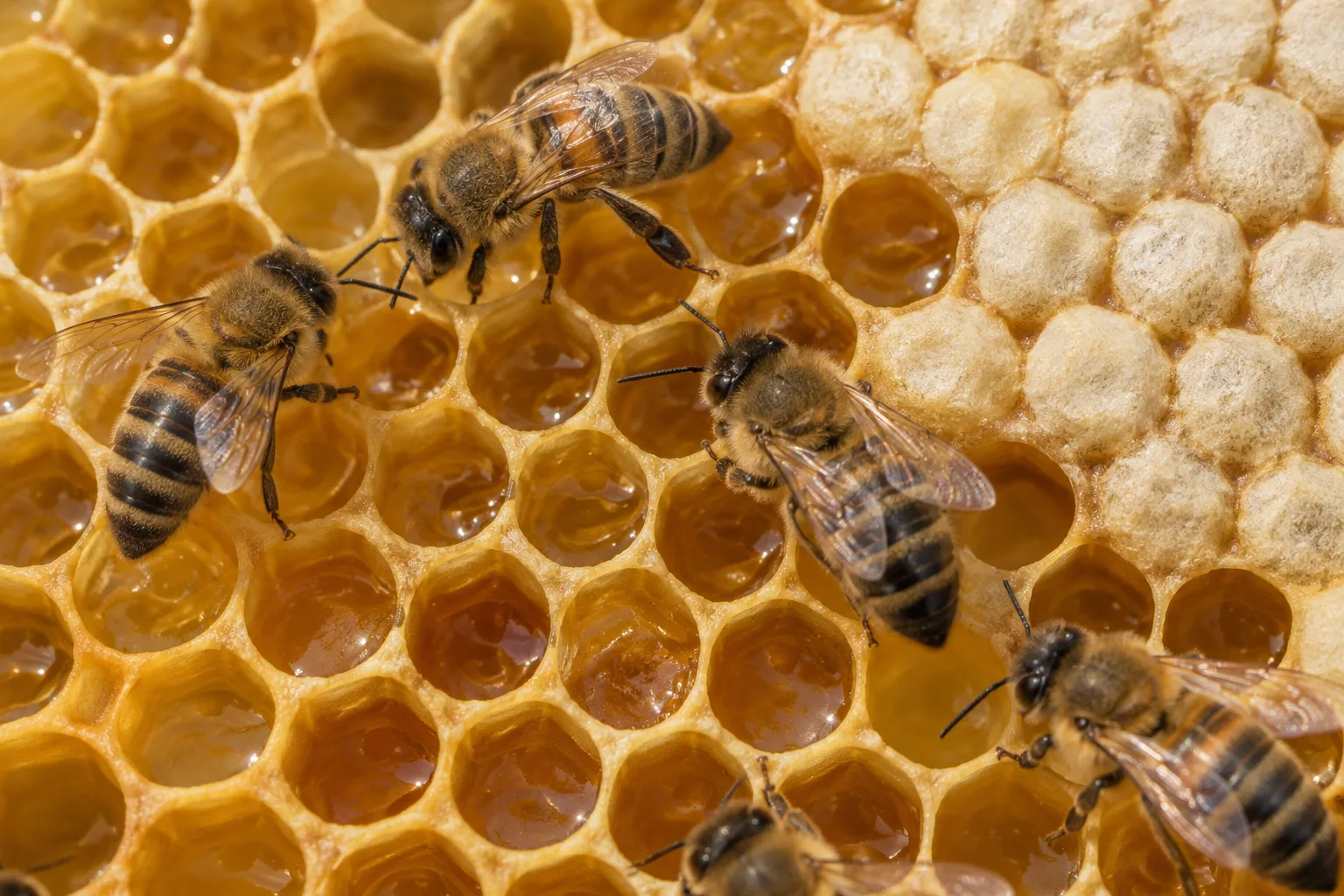
Honey bees turn watery nectar into concentrated food that can be stored inside the nest.
Foraging workers collect nectar from flowers and carry it in a specialized crop, often called a honey stomach. Back at the colony, bees transfer and process the nectar, adding enzymes and removing water before storing the resulting honey in wax cells.
Nectar processing involves both changes to sugars and a reduction in water content. Workers help move air through the hive, supporting evaporation as nectar becomes more concentrated.
This process makes a major difference to the colony’s food supply. Rather than relying entirely on what flowers produce that day, honey bees can accumulate a concentrated reserve during productive flowering periods.
How do bees store honey?
Honey bees store honey in the hexagonal cells of beeswax comb and typically seal ripe honey with wax caps.
Those capped cells form the colony’s pantry. Workers can open the caps when they need the food, so sealed honey is not permanently locked away or reserved only for the queen bee.
Do bees eat honey every day?
Honey bees use sugary food every day, but the balance between fresh nectar and stored honey depends on conditions.
When flowers are producing nectar and workers can forage, incoming nectar supplies energy. When that flow slows or flying becomes difficult, stored honey becomes an important backup. Not every bee follows an identical feeding schedule.
Honey bee food supports several kinds of activity:
- Flight: Foraging workers need energy to travel between the nest and flowers.
- Hive maintenance: Workers clean cells, tend comb, and carry out other tasks inside the colony.
- Temperature regulation: Bees expend energy warming the nest or helping manage heat.
- Care of the young: Nurse bees need adequate nutrition to produce food for developing bees.
- Survival during shortages: Honey stores bridge periods when fresh nectar is unavailable.
Honey is therefore useful in every season, not just winter. A stretch of poor flying weather or a gap between flowering periods can make stored food valuable even when temperatures are mild.
What do bees do with honey when flowers are scarce?
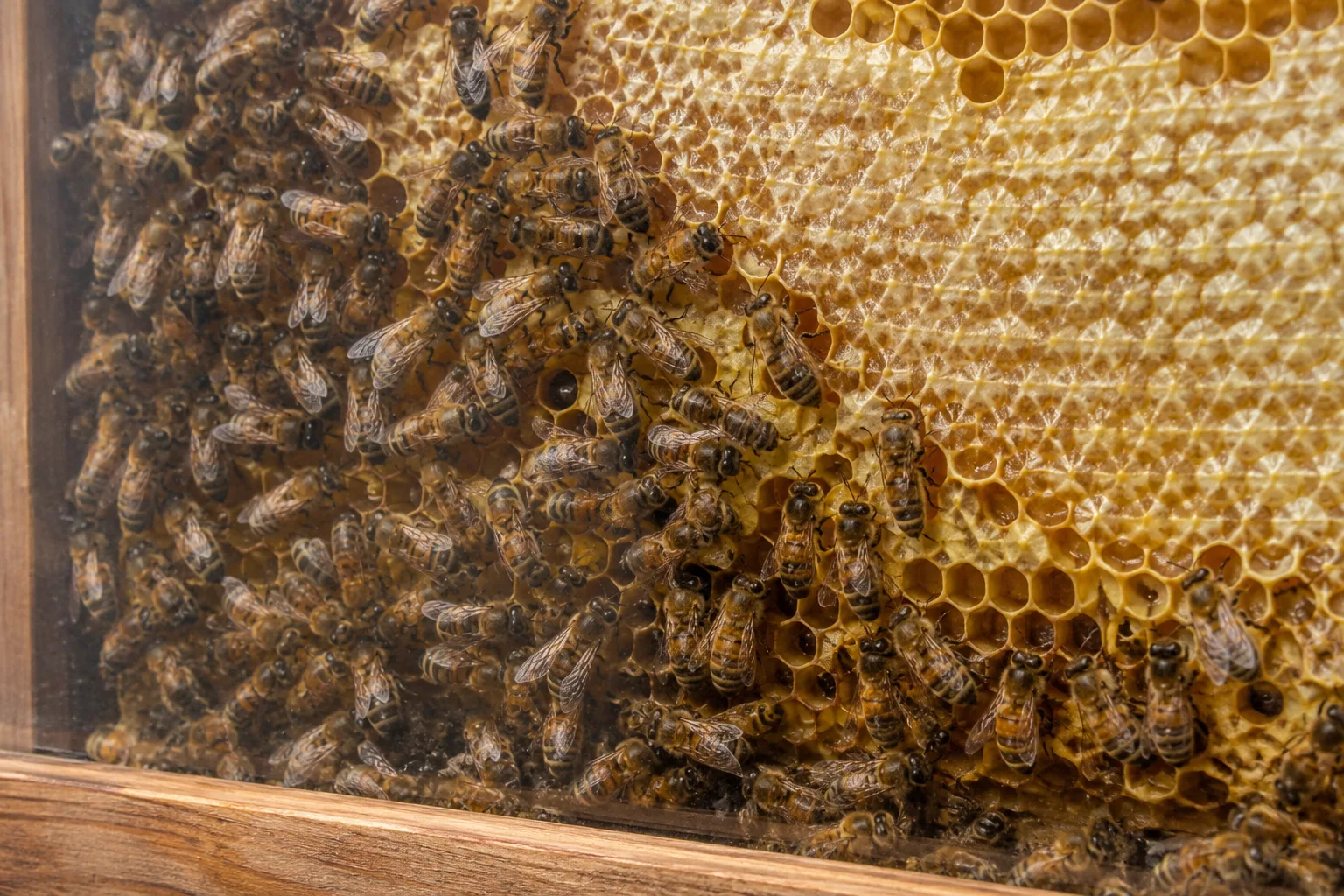
Honey bees draw on stored honey when the surrounding landscape does not provide enough nectar.
Beekeepers often call a shortage of available nectar a nectar dearth. It can happen between major bloom periods or when growing conditions reduce floral resources. A garden can still look green while offering relatively little food to honey bees.
Cold weather creates another challenge. Honey bees survive cold winters as a colony, forming a winter cluster and using stored food to support heat production. They do not simply go to sleep until spring.
Workers generate heat with their flight muscles and adjust the cluster as conditions change. Consuming honey supplies energy for that effort, which is why accessible food reserves matter so much during the cold season.
This does not mean every hive needs the same amount of honey. Climate, colony size, winter length, and brood rearing all influence demand. Beekeepers should use local university extension guidance rather than a single nationwide rule for winter food reserves.
Do the queen bee and baby bees eat honey too?
The queen bee and developing larvae depend heavily on food prepared by worker bees, rather than simply eating from honey cells themselves.
Nurse workers produce glandular food used to nourish developing bees. Adult workers also feed the queen bee a diet rich in glandular secretions.
Honey still matters to this system because nursing and other colony activities require energy. Pollen also matters: it supplies nutrients workers need for healthy development and food production. Honey alone is not a complete diet for a growing colony.
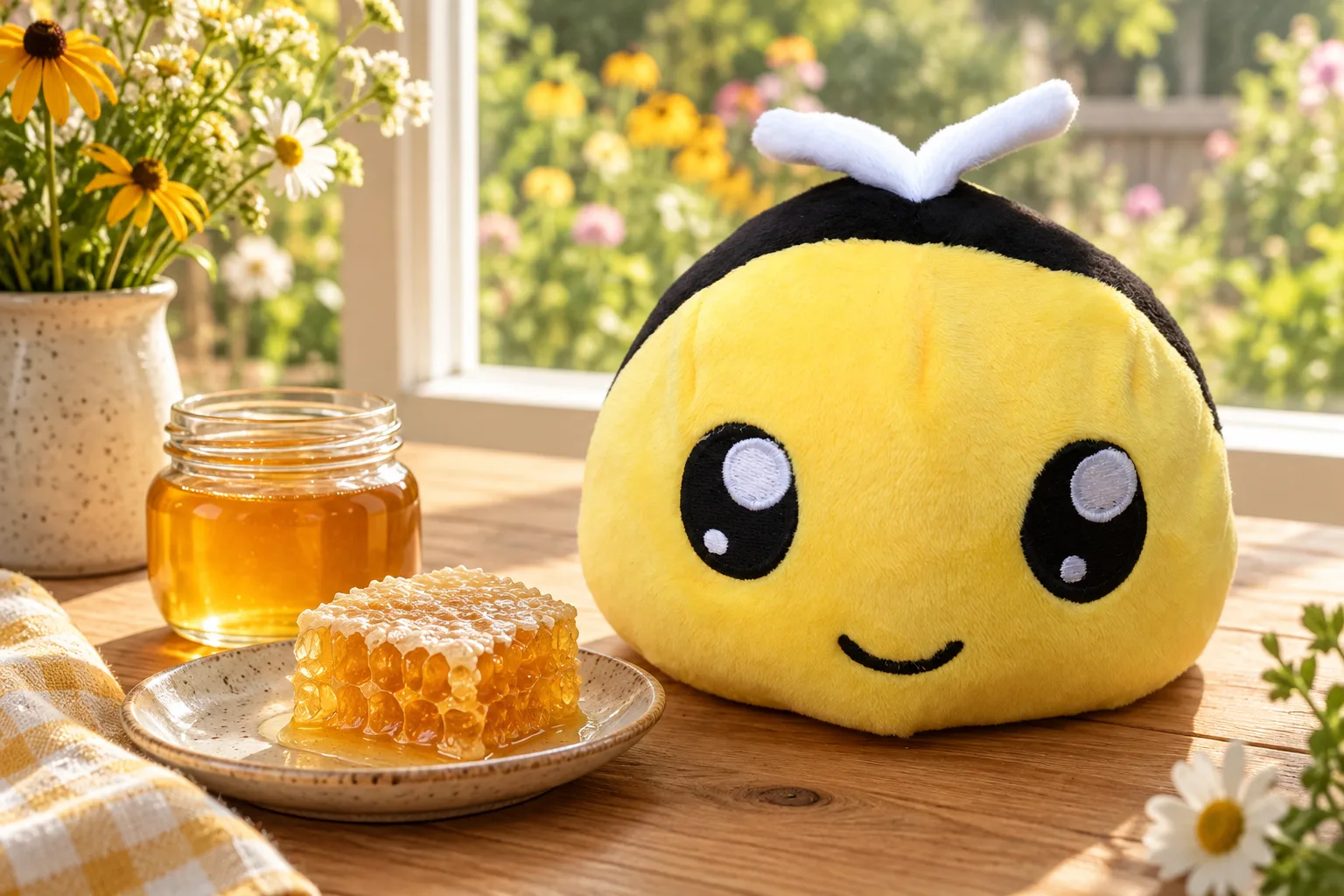
For a child or curious nature lover, Project Honey Bees’ Original Adopt a Bee® Plush Toy can be a friendly companion to learning about these different roles. Pair it with a simple explanation: flowers supply ingredients, workers prepare food, and the whole colony depends on that shared effort.
Do all bees make and store honey?
No—not all bees make honey. Honey bees build substantial honey stores, and stingless bees also make and store honey.
Bumble bees maintain smaller food reserves in their nests, but their colonies typically follow an annual cycle rather than persisting through winter like honey bee colonies. Most native bee species in the United States are solitary rather than members of large, permanent colonies.
Many solitary bees prepare nests with pollen and nectar provisions for their offspring. They do not build the extensive honey-filled combs people associate with managed honey bee hives.
This distinction matters when talking about pollinators. Honey bees are one part of a much larger community, and learning about honey should not obscure the different nesting and food needs of native bees.
Does harvesting honey take away the bees’ food?
Harvesting honey removes stored food, so responsible beekeeping must account for the colony’s own needs first.
A beekeeper may harvest surplus honey while leaving adequate reserves, but determining what counts as surplus requires judgment. Colony strength, local nectar flows, seasonal conditions, and the timing of a harvest all matter.
Monitoring food stores and preparing colonies for periods without dependable forage are important parts of colony management. A hive that looks productive in one season can still face a shortage later. Honey harvesting is therefore a management decision, not proof that bees have no use for the honey.
If you buy local honey, asking how the beekeeper manages food reserves is a useful way to learn. It invites a practical conversation about colony care without assuming that every operation or climate works the same way.
What are frequently asked questions about bees and honey?
Common questions concern how bees use honey, why they collect pollen, and how their flower visits contribute to pollination. Honey and pollen serve different nutritional roles, while pollination can happen as bees gather food.
What do bees do with the honey they make?
Honey bees eat the honey they make and store some for periods when nectar is scarce. Its sugars supply energy for flight, work inside the hive, and maintaining warmth during cold weather.
What do bees do with pollen?
Honey bees collect pollen as a source of protein, fats, and other nutrients, then store it in comb cells. Young workers consume pollen to support their development and their ability to produce food for larvae.
What do bees do to flowers?
Bees visit flowers to collect nectar, pollen, or both. As they move between flowers, they can transfer pollen that enables fertilization and the production of seeds and fruits in many plants.
How can you turn curiosity about honey bees into a meaningful gift?
A bee-themed gift paired with information about honey bees can encourage a recipient’s interest in how these insects live.
Explore Project Honey Bees’ Adopt a Bee® Gift Set as a gift idea for someone who appreciates the work behind every honeycomb. Check the current product and adoption pages for details about what is included and any stated conservation contributions.
Ready to find something meaningful? Shop all bee gifts, or explore how adoption works before choosing a gift for yourself or a fellow bee enthusiast.