
How can I find a pollinator garden near me?
To find a pollinator garden near you, search your city or ZIP code alongside “public pollinator garden,” then check botanical gardens, university Extension demonstration gardens, and local parks. Confirm the location, public access, opening hours, and seasonal blooms on the managing organization’s website before making a trip.
A search for “pollinator garden near me” can return everything from a public flower border to a nursery selling plants. The most useful result depends on whether you want a place to visit, planting inspiration, or somewhere to volunteer. Start by identifying that goal rather than choosing the closest map pin.
A garden visit can also turn general concern for bees into practical ideas. You can see which flowers attract visitors, learn how plants fit together, and discover what a bee-friendly garden looks like in your own climate.
Where should I look for a public pollinator garden?
Botanical gardens, university Extension programs, and municipal parks are useful starting points for finding a public pollinator garden.
Not every site uses the same name. A garden designed for pollinators might appear online as a native plant demonstration garden, butterfly garden, habitat garden, or educational landscape. Searching these alternatives can uncover places that a single map search misses.
- Botanical gardens and arboretums: Look for habitat displays, native plant collections, or seasonal garden maps.
- University Extension offices: Search their local Master Gardener program pages for demonstration gardens and scheduled open days.
- City and county parks: Check nature centers, visitor centers, and park project pages rather than relying only on map listings.
- Libraries and community centers: Some host educational gardens with public access during facility hours.
- Wildlife refuges and nature preserves: Look for visitor-area planting displays, while checking trail rules and seasonal closures.
The Smithsonian Gardens Pollinator Garden is one example of an institution identifying a pollinator-focused space on its own website. Use the same approach locally: find a named garden, identify who manages it, and read that organization’s visitor information.
Which searches give the most useful local results?
Searches that combine a location with a garden type can help narrow the results to relevant local sites.
Try your town first, then widen the search to your county or nearest metropolitan area. In a rural area, a county Extension demonstration site may be easier to find than a garden listed under your town’s name.
- “public pollinator garden” plus your city or ZIP code
- “native plant demonstration garden” plus your county
- “Master Gardener demonstration garden” plus your state and county
- “botanical garden pollinator trail” plus your region
- “nature center butterfly garden” plus your nearest city
Read beyond the search-result headline. An old event announcement may describe a one-day opening, and a garden certification listing may refer to someone’s private yard. Neither necessarily means that visitors can arrive without permission.
If the information is unclear, contact the managing organization with three questions: Is the garden currently open to the public? Where is the entrance? Is there a recommended time to see flowers and pollinators?
Can I visit a pollinator garden near me for free?
Some public pollinator gardens are free to visit, but admission, parking, and event charges depend on the individual site.
For a “pollinator garden near me free” search, start with municipal parks, libraries, and Extension demonstration gardens. These are useful leads, not a guarantee of free access. A garden within a larger attraction may require general admission even when the garden itself has no separate ticket.
Check whether the posted hours apply to the outdoor space, the visitor building, or both. Also confirm parking fees, reservations, accessible routes, restroom availability, and any restrictions on pets. A few minutes of checking can prevent a disappointing trip.
If you need step-free paths or frequent seating, ask about the garden specifically. General accessibility information for a park may not describe a gravel path or a narrow planting area inside it.
What should I look for when I visit?
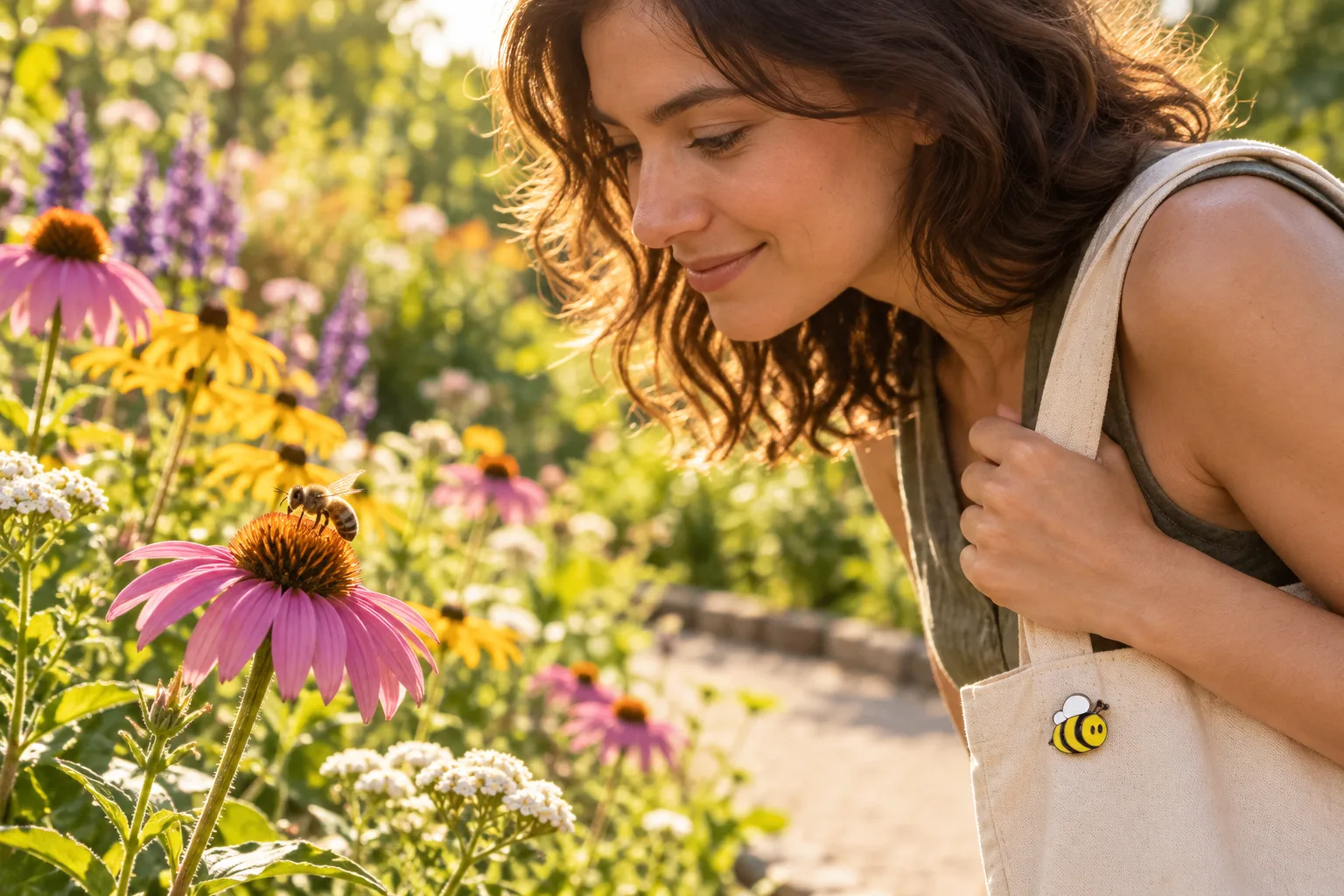
Look for the relationship between flowering plants, visiting insects, and habitat features rather than judging the garden only by its flower display.
According to the USDA Forest Service’s pollinator gardening guidance, diverse flowers and blooms across the growing season help provide pollinator habitat. A garden does not have to look equally colorful in every month to be useful. Seed heads, stems, and less manicured areas can be intentional features rather than signs of neglect.
- Flowers in bloom: Note the date and which plants insects are visiting.
- Plant labels: Record botanical names so you can distinguish similar-looking species later.
- Different flower shapes: Watch how different insects use different blooms.
- Growing conditions: Notice sunlight, soil moisture, slopes, and nearby shade.
- Habitat information: Read explanations of nesting areas, host plants, or seasonal maintenance.
Not every bee you see will be a honey bee. Native bees, butterflies, flies, beetles, and other flower visitors may share the same planting. Observe without handling insects, blocking their flight paths, or stepping into beds for a closer photograph.
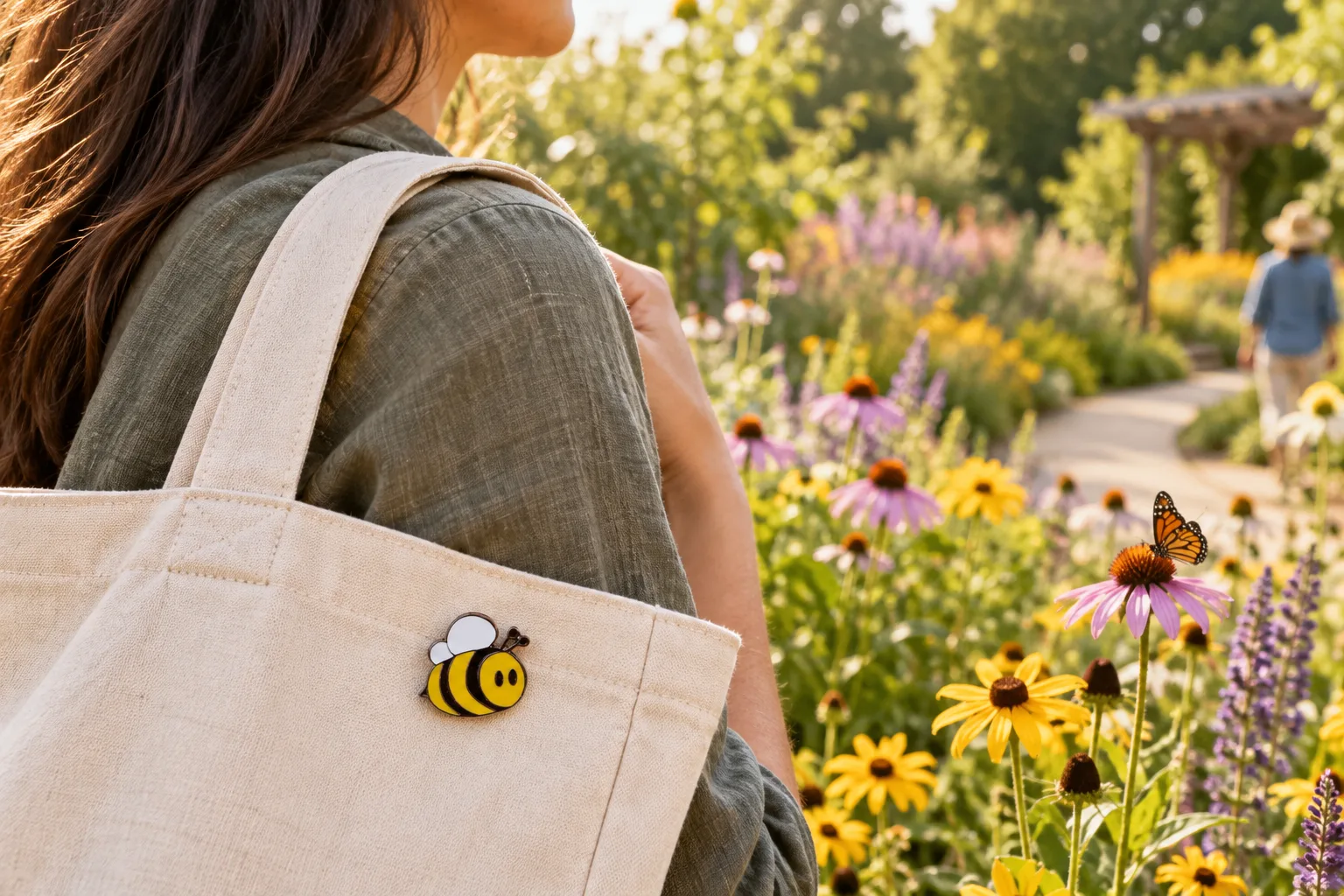
For someone who enjoys garden outings, Project Honey Bees’ Save The Bees® Pin is a small, portable way to express that interest on a bag or jacket. It can be a thoughtful alternative to buying a plant before you know the recipient’s growing conditions.
When is the best time to visit a pollinator garden?
The best time to visit depends on local flowering seasons, weather, and which pollinators you hope to observe.
Check recent garden updates rather than assuming summer is always the peak season. In some regions, spring flowers are a major attraction; elsewhere, late-season plantings provide the strongest display. Ask staff which beds are currently flowering and whether they offer guided walks.
A dry, mild day is often a comfortable starting point for watching flower visitors, but insect activity varies by species and conditions. Avoid making a special trip based on a promise that bees will appear at a particular hour.
Returning at another point in the growing season can be especially helpful if you are planning a garden. You will see what fills the gaps when an earlier group of flowers finishes blooming.
How can I use a garden visit to help bees at home?
Use your visit to identify a few locally suitable plants and maintenance practices rather than copying an entire display.
Providing flowers and suitable nesting habitat while reducing pesticide exposure can help support bees. These needs provide a useful framework for evaluating what you can realistically change at home. A beautiful planting combination still needs to match your climate, sunlight, soil, and available space.
- Choose three candidate plants: Record their botanical names, bloom periods, and mature sizes.
- Check regional suitability: Ask your local university Extension office about native status and growing requirements.
- Plan beyond one flowering season: Look for complementary bloom times instead of buying everything in flower on the same day.
- Review maintenance: Ask which stems or undisturbed areas can safely remain as habitat.
- Use pesticides carefully: Follow label requirements and consult Extension advice about avoiding harm to pollinators.
This is a practical starting point for learning how to help bees in your backyard without taking on an oversized project. Begin with a manageable area and observe it through the seasons before expanding.
If you are collecting gifts for bee lovers, pair a garden outing with a handwritten list of favorite plants or an offer to help with planting. Let the recipient choose the plants; an unsuitable surprise can create more work than enjoyment.
What are frequently asked questions about pollinator gardens?
Common questions include where to find a public pollinator garden, how to help bees at home, and why bees matter to plants.
Where is a pollinator garden near me?
Search your city or county with “public pollinator garden,” “native plant demonstration garden,” or “Master Gardener demonstration garden.” Confirm the address and visitor access through the managing organization because map results can include private gardens and plant retailers.
How can you help bees in your backyard?
Provide locally appropriate flowers with overlapping bloom periods, protect suitable nesting habitat, and avoid unnecessary pesticide use. Your local university Extension office can help identify plants and maintenance practices suited to your region.
Why are bees important to plants?
Bees move pollen between flowers as they forage, helping many flowering plants reproduce. According to the USDA Forest Service, pollination supports the production of seeds and fruits in many plants, although not all plants depend on bees.
How can you turn a garden visit into a meaningful bee gift?
Pair the experience with a bee-themed keepsake that reflects the recipient’s interest in pollinators.
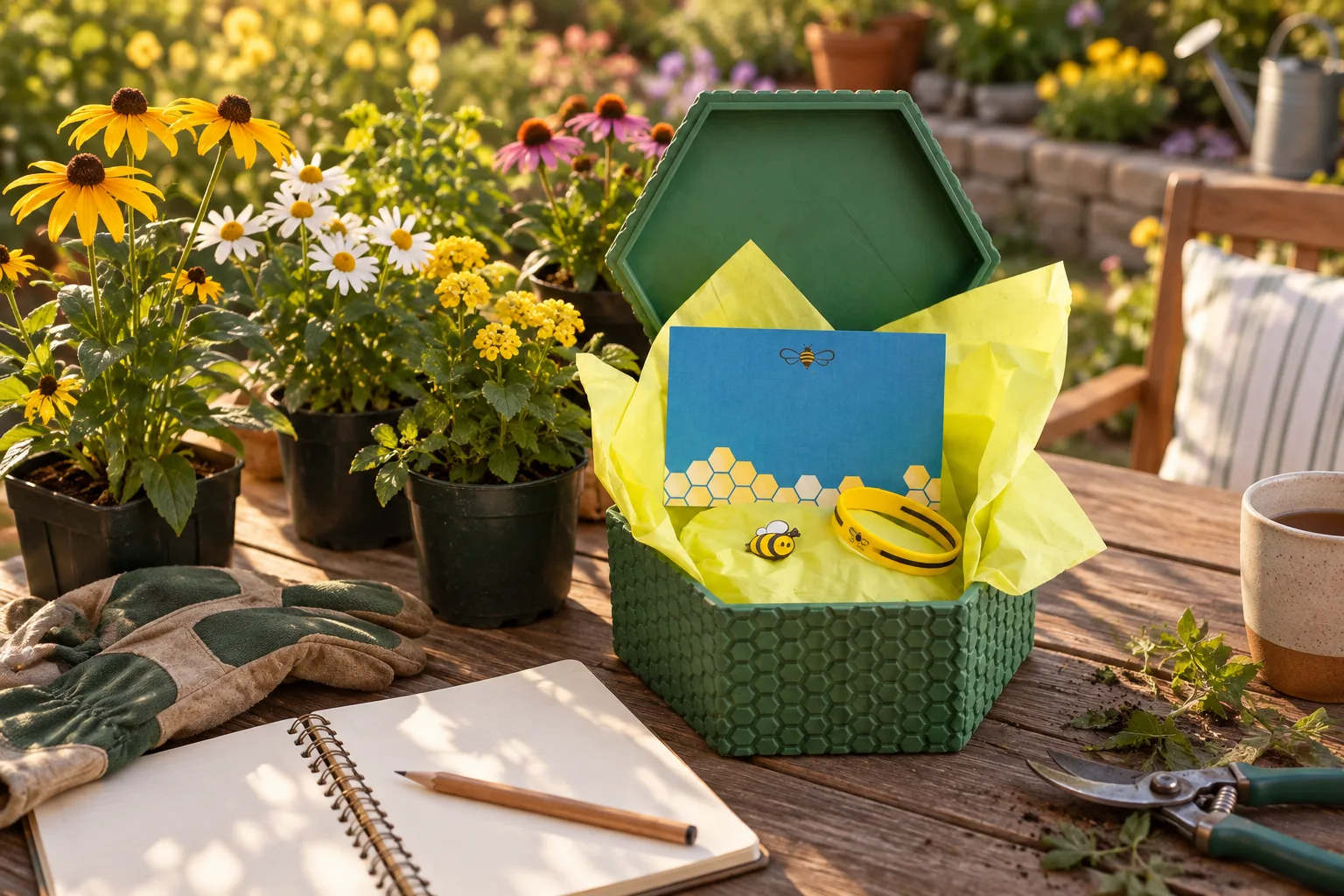
The Adopt a Bee® Gift Set from Project Honey Bees is an option for marking a garden outing, celebrating a gardener, or thanking a nature-loving friend. Check the product page and adoption information for current details about what is included.
A purchase complements, rather than replaces, practical habitat care. Start with Shop all bee gifts, or explore how adoption works before choosing something meaningful.