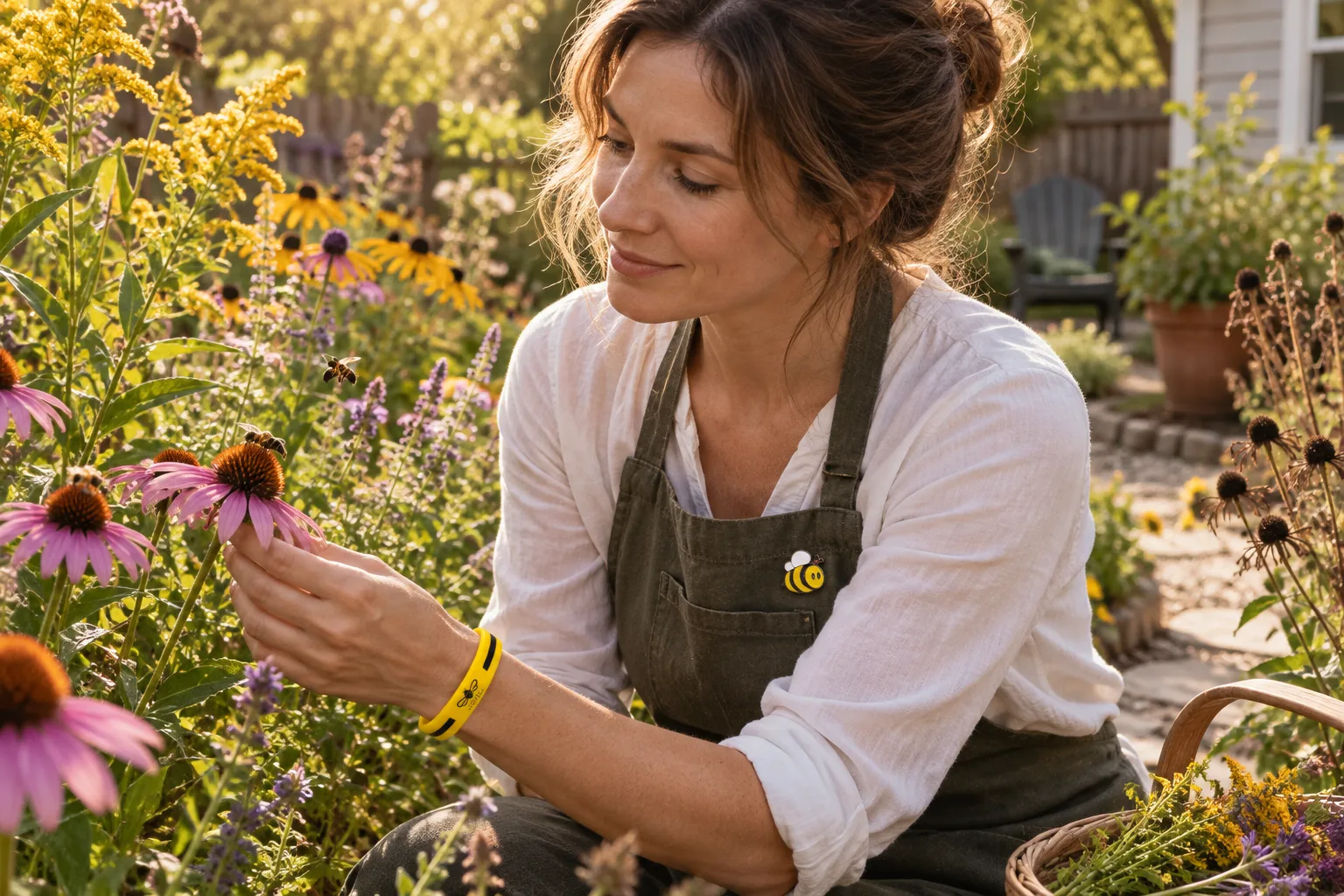
Pollinator garden certification can give your bee-friendly planting project a clear checklist and a recognizable finish line. But programs differ: some focus specifically on pollinators, while others recognize broader wildlife habitat. Before paying for an application or ordering a sign, choose a program that serves your location and matches the habitat you can realistically maintain.
What is pollinator garden certification?
Pollinator garden certification is recognition from an organization that a garden meets its habitat requirements. To earn it, choose a program serving your area, meet its planting and maintenance criteria, and submit the requested application. Requirements, fees, review methods, and signs vary; there is no single nationwide standard that all programs follow.
Certification is usually a voluntary recognition program, not a government permit. Its value comes from the quality of its criteria and the habitat improvements those criteria encourage, rather than the presence of a plaque alone.
According to the USDA Natural Resources Conservation Service, pollinator habitat includes food resources and places for nesting or shelter. A useful certification checklist turns these needs into actions you can take in your own growing space.
How do you choose a pollinator garden certification program?
Choose a program by checking its geographic eligibility, habitat focus, published requirements, and total cost before changing your garden.
A local program may offer plant recommendations that fit your climate and growing conditions. A national program may be more accessible, but you will still need locally appropriate planting advice.
Which programs are worth comparing?
University extension programs and established conservation organizations are useful starting points because they publish habitat guidance alongside their recognition programs.
- Penn State Extension: Its Pollinator Friendly Garden Certification program is designed for Pennsylvania gardens. Gardeners elsewhere can use its educational resources while looking for an eligible local option.
- National Wildlife Federation: Its Certified Wildlife Habitat program addresses wildlife more broadly, including food, water, cover, places to raise young, and sustainable gardening practices. It is not exclusively a bee certification.
- Local programs: Search your state extension service, municipality, or established conservation organization for regional habitat recognition. Confirm who operates the program and whether applications are currently accepted.
Do not assume that every program requires the same plant count, garden size, or review process. Read the current application itself, not just a photograph of someone else's garden sign.
What should you check before paying?
Check exactly what the application fee covers and whether recognition requires any ongoing action.
- Is your address within the eligible region?
- Does the program accept your type of space, such as a residential yard, school garden, or container planting?
- Are photographs, plant lists, or an on-site review required?
- Is a sign included, optional, or sold separately?
- Are renewal fees, reporting, or maintenance commitments listed?
What does a garden need before you apply?
A strong pollinator garden provides suitable flowers, habitat beyond flowers, and maintenance that reduces avoidable harm to pollinators.
Your chosen program sets the formal requirements. The following principles help you evaluate whether your space functions as pollinator habitat rather than simply looking colorful.
Which pollinator garden plants should you choose?
Choose regionally appropriate plants that suit your site and provide flowers across the growing season.
The USDA Natural Resources Conservation Service recommends diverse flowering resources to support pollinators. Native plants are especially useful when selected for local conditions and the native insects that use them, but a plant's native status alone does not guarantee it will thrive in your particular bed.
Check sunlight, soil moisture, mature size, and flowering time before buying. A garden filled with summer flowers can still have a spring or fall food gap; use your local extension service's recommendations to identify what is missing.
Do pollinators need more than nectar?
Yes, pollinators also need resources for reproduction, nesting, and shelter, depending on the species.
Many native bees nest in soil, while others use cavities or hollow plant stems. Butterfly larvae need suitable host plants, which may be different from the flowers adult butterflies visit. Where appropriate and compatible with local rules, retain some stems, leaf litter, and undisturbed ground rather than cleaning every corner bare.
Honey bees are only one part of this picture. Adding a managed honey bee hive is not necessary to create useful habitat for wild bees and other pollinators.
How should you handle pesticide use?
Prevent pest problems where possible and avoid unnecessary pesticide use around pollinator habitat.
The EPA emphasizes following pesticide label directions, including restrictions intended to protect bees. Start by identifying the insect or plant problem, consider nonchemical management, and ask your extension service for help when needed. Do not assume that a product labeled natural is harmless to pollinators.
Certification programs may have requirements stricter than your usual gardening practices. Check those rules before applying or hiring a lawn-care service.
How do you prepare a certification application?
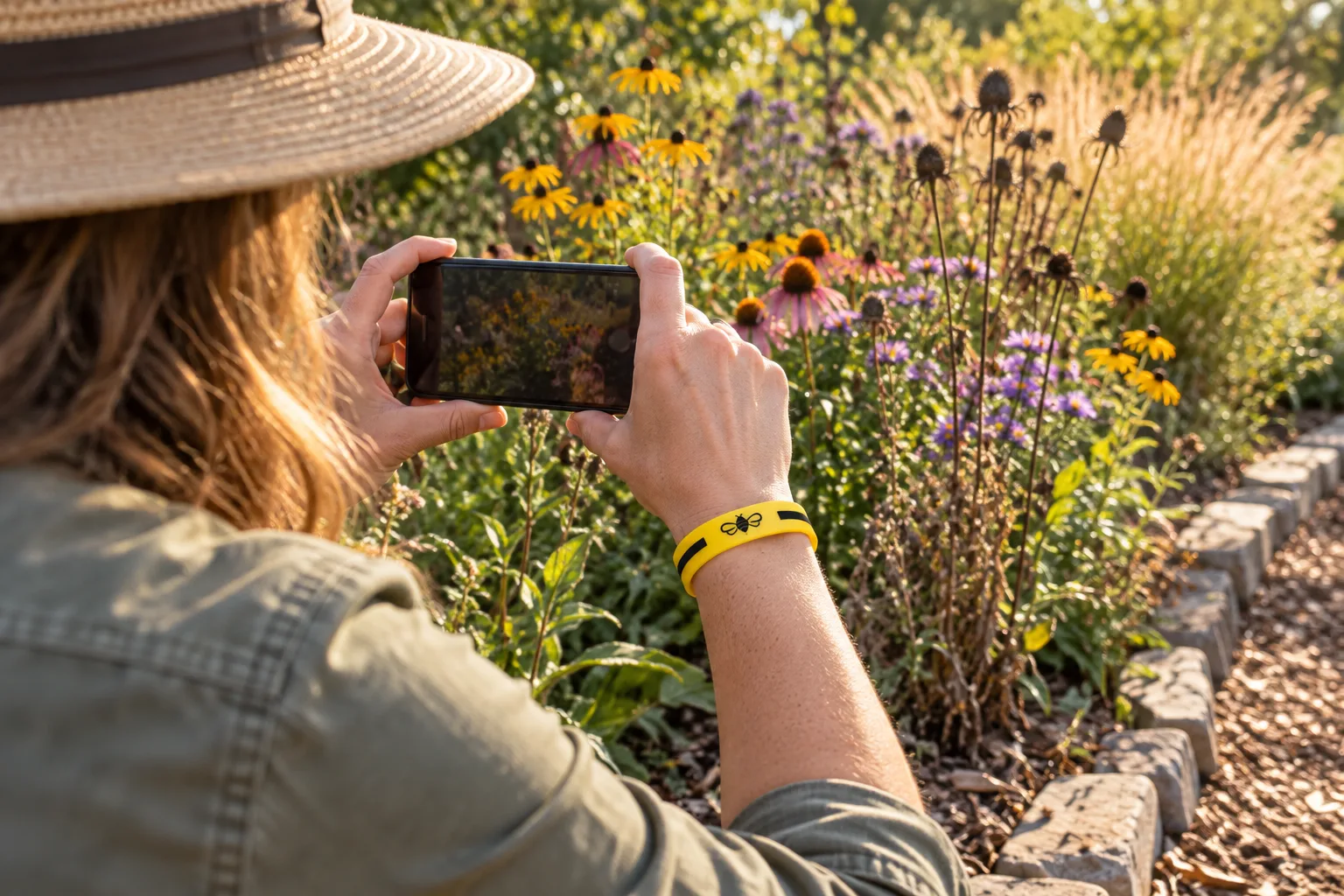
Prepare your application by comparing your existing garden with the official checklist and documenting the requirements you already meet.
- Save the current criteria. Use the program's own website and application materials.
- Inventory your plants. Record names and flowering seasons; identify uncertain plants before counting them.
- Note habitat features. Include relevant nesting areas, host plants, shelter, and water features when the program requests them.
- Close the gaps. Prioritize missing seasonal flowers or unsuitable maintenance practices instead of buying decorative extras.
- Gather evidence. Take photographs or prepare a planting sketch if required, then submit accurate information.
You do not need to make your garden look like a magazine cover. Habitat can be attractive and organized while retaining the stems, soil, and plant diversity that insects use. Follow any program-specific expectations about plant establishment rather than assuming newly purchased pots automatically qualify.
For a small personal reminder of the project, Project Honey Bees offers the Save The Bees® Pin. It is a wearable way to express your interest in bee conservation, not a substitute for habitat work or an official certification badge.
Does a pollinator garden sign mean a garden is certified?
A pollinator garden sign indicates certification only when it represents a specific program whose requirements the garden has met.
A decorative sign purchased independently does not establish that an organization has reviewed or recognized your garden. Likewise, certified gardens do not all follow identical standards, so the issuing organization matters.
If recognition is your goal, complete the application process before displaying wording that implies approval. If education is your goal, a general habitat sign can help explain why you leave flower stems standing or maintain a less-manicured planting bed.
Place signs where visitors can read them without walking through sensitive habitat. Keep paths and bed edges clear when practical; a visibly cared-for space can make conversations with neighbors easier without requiring you to remove every useful habitat feature.
How do you keep helping pollinators after certification?
Keep improving the garden by observing flowering gaps, maintaining habitat features, and following your program's ongoing requirements.
Certification recognizes a set of conditions, but gardens change. Plants may fail, shade can increase, and invasive species can spread into a bed. Revisit your planting list each season and replace unsuitable plants with better local choices.
Watch which flowers insects use, but avoid judging success by honey bee visits alone. Small native bees, flies, butterflies, moths, and other flower visitors can be easy to overlook. You do not need to identify every insect to notice when your garden offers flowers and when it does not.
If you share the space with family members, tenants, or a maintenance crew, explain its purpose. A brief conversation about leaving selected stems or avoiding unnecessary spraying can help prevent accidental damage to habitat features.
What are frequently asked questions about pollinator garden certification?
Common questions concern how to apply, where to get a sign, which plants to choose, and where to see example gardens. The answers below explain the basics; confirm eligibility and certification requirements with your chosen program.
How do I get pollinator garden certification?
Choose a program that accepts gardens in your location, read its current habitat criteria, and make any needed changes before applying. Submit the requested information and pay any applicable fee; review procedures and eligibility vary by organization.
Where can I get a pollinator garden sign?
Certification programs may offer official signs to qualifying participants, sometimes for a separate charge. You can also buy a general educational sign, but that does not make the garden certified.
What are good pollinator garden plants?
Good choices fit your region, sunlight, soil, and available space while providing flowers across different seasons. Consult your local extension service for native plants and host plants appropriate to your area rather than relying on a universal shopping list.
How do I find a pollinator garden near me?
Check local botanical gardens, extension demonstration gardens, parks, and native plant organizations for public examples. A visit can help you compare plant sizes and maintenance approaches, although the garden's certification status should be confirmed with its operator.
How can you celebrate your garden and support bee conservation?
Support bee conservation by maintaining pollinator habitat, and consider a bee-themed gift to celebrate your gardening progress.
The Adopt a Bee® Gift Set from Project Honey Bees is an option for thanking a gardening partner or marking a completed project. Check the product page for current contents and adoption details; purchasing a gift does not certify your garden.
Ready to choose something meaningful? Shop all bee gifts and learn how adoption works.