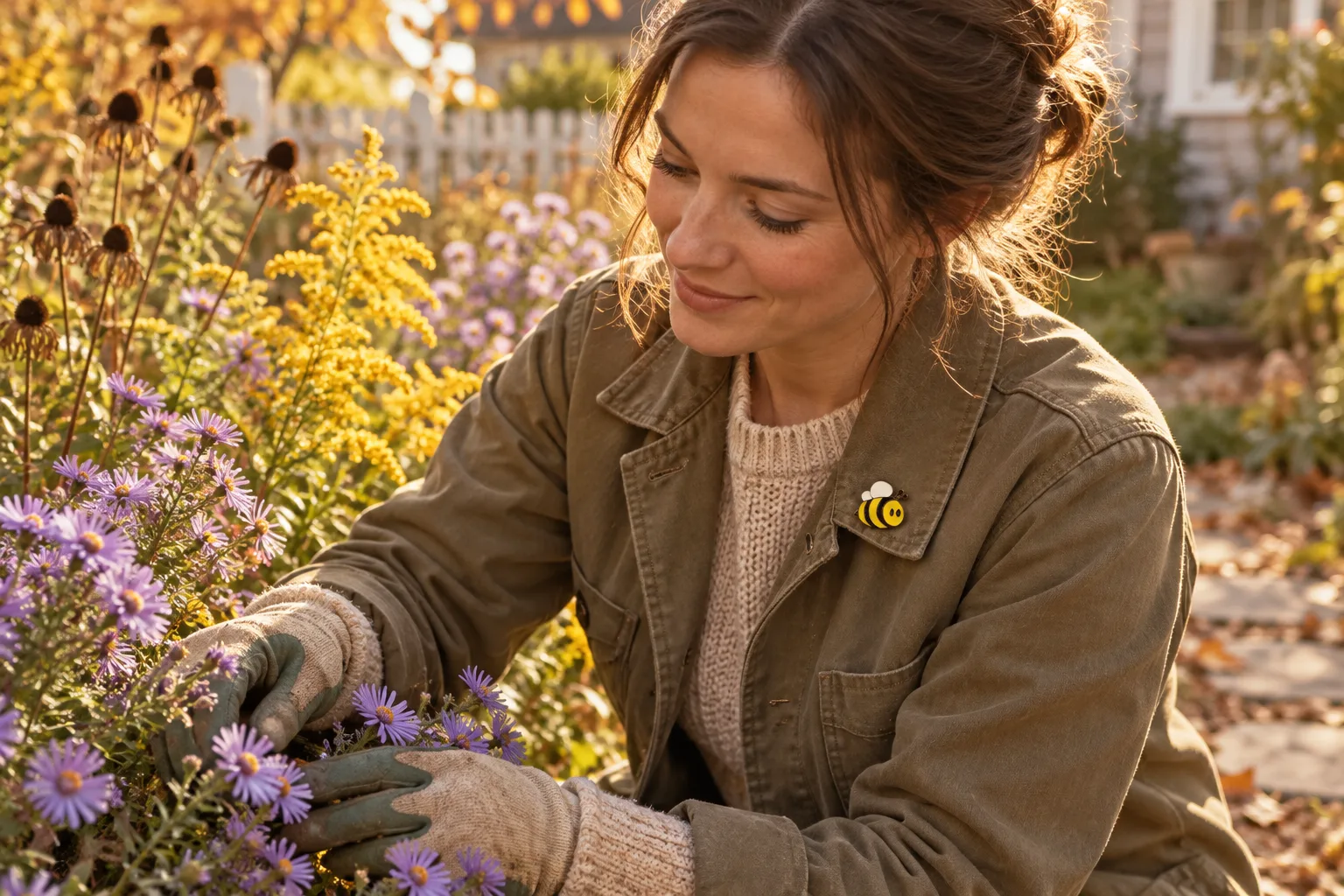
Learning how to help bees in the fall starts with changing what you plant, what you cut back, and what you leave alone. As summer flowers fade, your yard can still offer food and nesting habitat. You do not need a hive or a major landscaping project: a few thoughtful choices can make your autumn garden more useful to honey bees and native pollinators.
How to help bees in the fall: what matters most?
Help bees in the fall by keeping suitable late-blooming flowers available, leaving occupied stems and undisturbed nesting areas intact, and avoiding pesticide exposure. Choose plants native to your region, postpone unnecessary garden cleanup, and protect existing habitat. These steps support bees still foraging and species preparing to spend winter in sheltered places.
The USDA identifies food and habitat as important needs for pollinators. In autumn, meeting those needs means looking beyond flowers alone: the place a bee spends winter may be a nest in soil, a stem, or another protected cavity.
- Keep flowers blooming: retain healthy autumn blooms instead of clearing every bed.
- Protect nesting places: avoid digging, shredding, or removing potential nests unnecessarily.
- Reduce pesticide risks: identify the problem before treating plants and follow all label restrictions.
- Plan locally: match planting and cleanup decisions to your climate and the bees present.
Why do bees need different help in autumn?
Autumn brings different needs because honey bees and native bees do not all follow the same seasonal life cycle.
Honey bees live in colonies that rely on stored honey when flowers are unavailable. On suitable fall days, workers can still forage. A queen bee remains part of the colony, rather than leaving to find an individual winter shelter.
Many native bees are solitary, and their offspring remain in nests through winter, with the overwintering life stage varying by species. In most annual bumble bee colonies, newly produced queens overwinter and establish new colonies the following growing season. These differences explain why protecting varied habitats matters.
Your local fall may also look very different from someone else's. A warm southern garden can keep flowering after a northern garden has frozen, so use local plant guidance rather than a nationwide cleanup date.
Which fall flowers for bees should you plant?
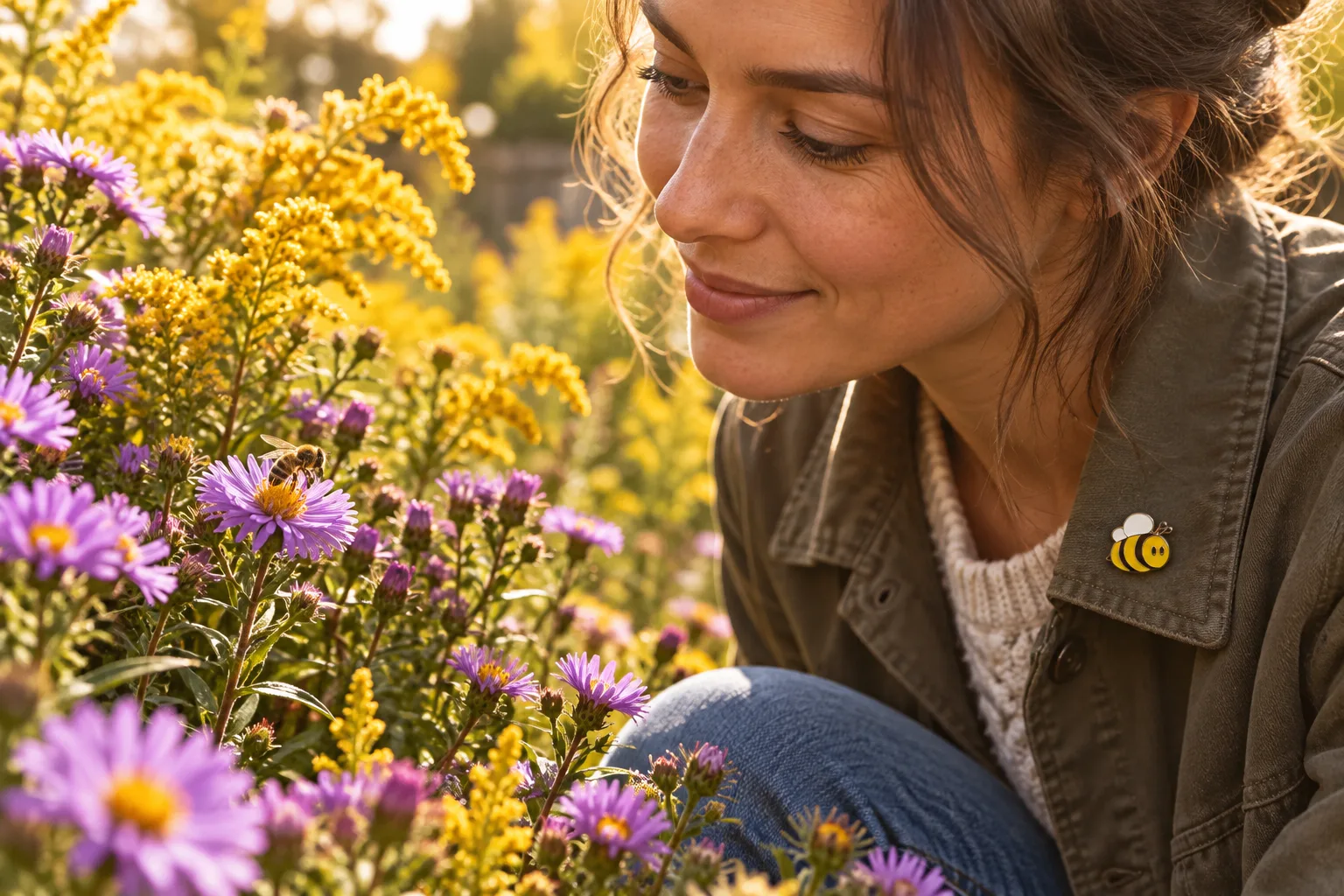
The best fall flowers for bees are locally suitable plants that provide accessible pollen or nectar when other blooms are declining.
A succession of flowering plants helps provide food across the growing season. For fall, identify the gap between your summer flowers finishing and your area's first sustained cold weather. Then choose plants that naturally flower during that window.
Which late-blooming native plants are worth considering?
Native asters and goldenrods are useful starting points in many US regions, but the right species depends on your location.
- Native asters: look for locally appropriate species suited to your sunlight and soil moisture.
- Goldenrods: select a species whose mature size and spreading habit fit your planting space.
- Other regional fall bloomers: ask your county extension office about native plants that flower reliably in your climate.
- Existing flowering plants: keep useful, noninvasive blooms available while new native plants become established.
Check the actual flowering season before buying. A plant marketed as pollinator-friendly may bloom only in spring, and heavily modified double flowers can make floral resources harder to reach. Choose flowers for their usefulness and site suitability, not just their autumn color.
Fall planting can work well for many perennials where local conditions allow roots to establish before severe cold. Follow regional extension recommendations for timing, watering, and plant selection rather than assuming every autumn purchase will flower immediately.
What should you leave during fall garden cleanup?
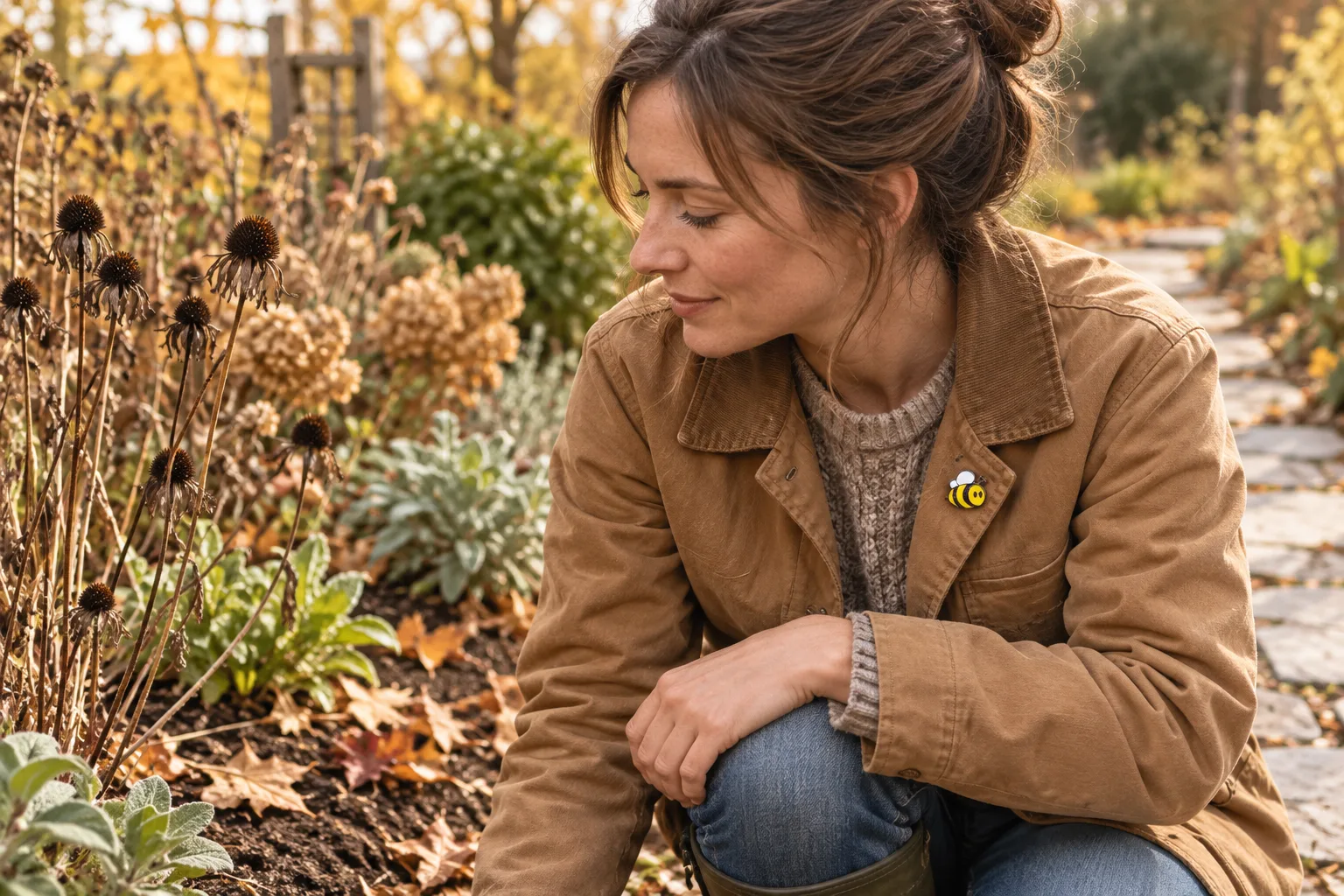
Leave standing stems, protected nesting patches, and some undisturbed garden areas instead of clearing the whole yard to bare soil.
Many native bees nest underground, while others use cavities or plant stems. Those nesting habits make aggressive fall garden cleanup risky: removing or shredding material can also remove the insects sheltering inside it.
Should you leave stems and seed heads standing?
Leaving suitable stems standing preserves potential nesting habitat and avoids disturbing nests you may not recognize.
Not every stem contains bees, and different species use different materials. Still, leaving a designated perennial border intact is a practical precaution. Avoid assuming that the first warm spring afternoon means every overwintering insect has emerged.
Should you leave leaves and bare ground?
Keep some leaf litter in suitable beds while preserving existing patches of accessible, undisturbed soil.
These features serve different animals and nesting habits. Leaf litter can shelter overwintering insects, while many ground-nesting bees need access to soil. Do not blanket every open patch with a thick layer of mulch or leaves in the name of helping pollinators.
You can still clear slippery paths, maintain drainage, and remove diseased plant material when recommended. A useful compromise is a tidy edge around a less-disturbed bed, with known nesting areas protected from digging and heavy foot traffic.
How can you reduce pesticide risks in fall?
Reduce pesticide risks by treating only identified problems and preventing bees from encountering harmful residues or spray.
The EPA's pollinator protection guidance emphasizes pesticide label directions and precautions that protect bees. A product being described as natural does not automatically make it harmless to pollinators.
- Identify the issue first: seasonal leaf damage does not always require treatment.
- Consider nonchemical measures: tolerate minor damage or remove affected material when appropriate.
- Read the entire label: follow restrictions involving flowering plants, bee activity, application timing, and drift.
- Consider nearby flowers: flowering weeds and adjacent beds can also attract foraging bees.
Spraying after dark is not a universal solution because some products remain hazardous afterward. If treatment is necessary, ask your local extension office about approaches suited to the pest, plant, and site.
How can you help bees in the fall on a small budget?
The most affordable fall actions are often keeping useful habitat intact and making one well-chosen planting improvement.
Start with what you already have. Leave healthy flowers until they finish, protect an existing nesting patch, and skip unnecessary cleanup. If you have only a patio, a locally appropriate flowering perennial in a suitable container can provide forage, though winter survival depends on the plant, pot, and climate.
To learn how to help bees in your backyard efficiently, keep a simple record of which plants bloom late and which attract visitors. Photograph unfamiliar bees without handling them, and use local extension resources to guide next year's planting. Observation helps you spend money on real gaps rather than decorative features bees may not use.
If you also want a wearable reminder of pollinator conservation, consider the Project Honey Bees Save The Bees® Pin as a conversation starter. A bee-themed accessory is not a substitute for practical habitat care.
Should you feed bees or manage a hive in the fall?
For most gardeners, improving forage and protecting habitat is more appropriate than setting out food or attempting hive care.
Do not put out honey, which can transmit pathogens among honey bees, or assume open sugar-water feeding benefits all pollinators. Shared feeding can also attract unwanted insects. Flowers are the better focus for routine garden support.
If you keep honey bees, fall colony management is a separate responsibility involving food stores, colony condition, and pest management. Seek region-specific advice from university extension specialists or an experienced local beekeeping association. General gardening advice cannot determine whether an individual colony needs supplemental feeding or treatment.
What are frequently asked questions about helping bees?
Common questions concern garden habitat, winter protection, drinking water, and hot-weather care. Prioritize suitable flowers and undisturbed nests, and adapt any water provision to local conditions.
How can you help bees in your garden?
Provide flowers across the growing season, protect nesting habitat, and reduce pesticide exposure. In fall, prioritize late blooms and leave a designated area of stems and soil undisturbed.
How can you help bees in winter?
Protect existing nests and overwintering habitat from unnecessary digging, shredding, and removal. Gardeners should leave sheltered areas undisturbed, while beekeepers should follow local extension guidance for managed honey bee colonies.
How can you help bees drink water?
Offer a shallow water source with stable landing places that let bees reach water without entering deep areas. Keep it clean, avoid adding sugar or honey, and maintain it while bees remain active and conditions permit.
How can you help bees in hot weather?
Keep flowering plants appropriately watered and provide a clean, shallow water source with safe footing. If autumn temperatures remain high, continue these summer-style measures rather than switching care solely because the calendar says fall.
Ready to turn your care for bees into a meaningful gift?
Choose a bee-inspired gift that carries your interest in pollinators beyond the garden.
The Project Honey Bees Adopt a Bee® Gift Set is an option for someone who appreciates bee-themed gifts. Review the product page for current contents and any adoption details before purchasing.
Start with Shop all bee gifts, or explore the brand's explanation of how adoption works. Pair your gift with one practical fall action, such as protecting a nesting patch or choosing a locally suitable late bloomer.