Does a queen bee give orders? Are honey bees native to the United States? Sorting out honey bee facts and myths helps explain what these insects actually do—and how to support them without overlooking other pollinators. The most useful starting point is simple: honey bees are remarkable social insects, but they do not represent every kind of bee.
Which honey bee facts and myths should you know?
Honey bees are social insects whose colonies usually contain a queen bee, female workers, and seasonal male drones. Western honey bees are not native to North America, males cannot sting, and the queen does not command the colony. Supporting honey bees also means recognizing the different needs of native pollinators.
Honey bee biology and colony health involve much more than honey production. These distinctions provide a useful guide to the most common misconceptions:
- Myth: Every bee is a honey bee. Fact: Honey bees are just one part of a much larger group of bees.
- Myth: The queen directs every activity. Fact: Colony coordination depends on signals and interactions among many bees.
- Myth: Every honey bee can sting. Fact: Male honey bees cannot sting.
- Myth: More honey bee hives always help native bees. Fact: Habitat quality and local conditions matter.
Are honey bees native to North America?
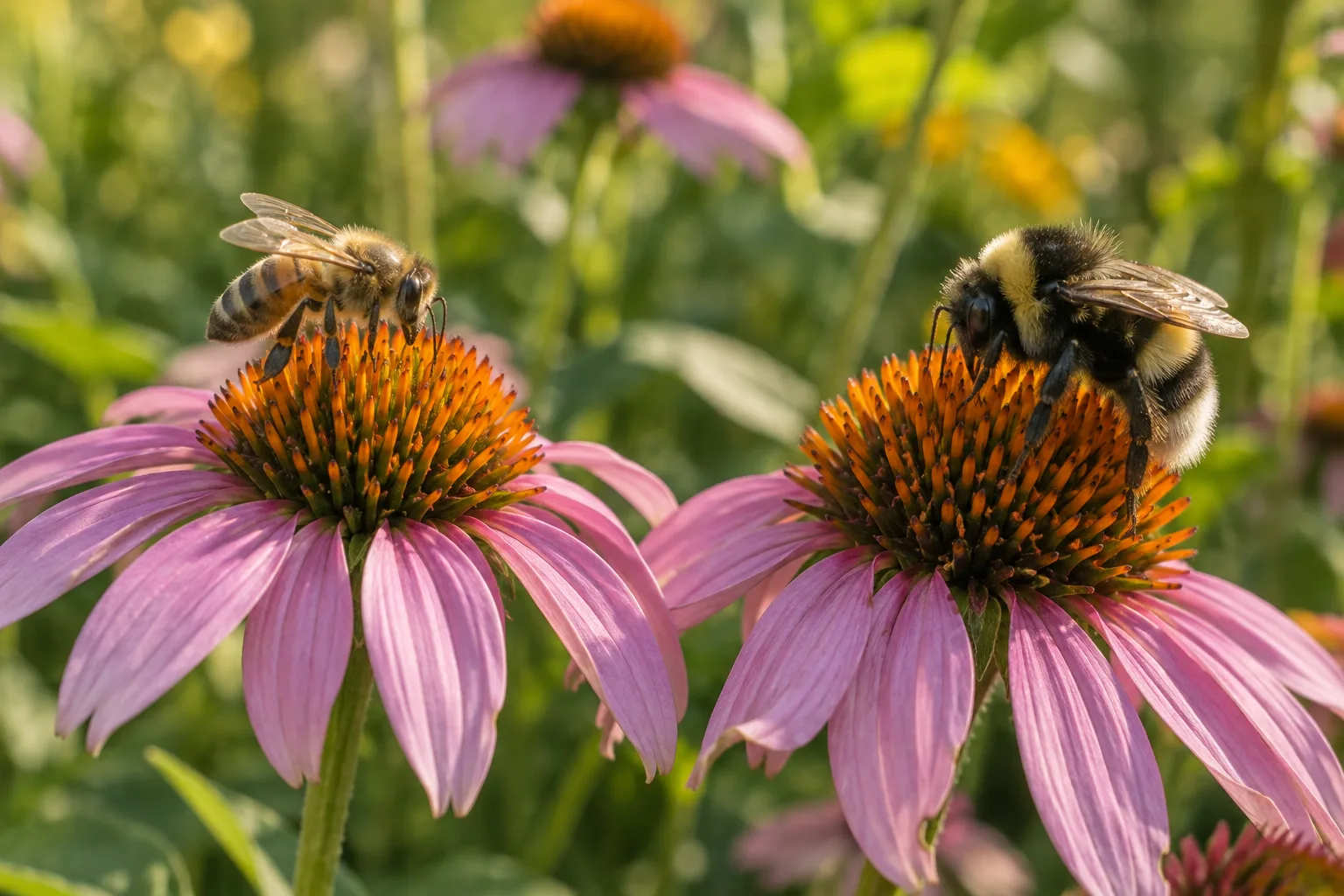
The western honey bee, Apis mellifera, is not native to North America.
European settlers introduced western honey bees to North America, and managed colonies now pollinate many crops. Some colonies also live outside managed hives, but living in the wild does not make an introduced species native.
North America already had a rich variety of native bees, including bumble bees, mason bees, and leafcutter bees. These pollinators evolved with regional plants and have different nesting habits, seasonal schedules, and flower preferences.
This distinction is not a reason to dismiss honey bees. It is a reminder to avoid using “honey bee” and “pollinator” interchangeably. A garden that supports several kinds of bees offers something different from a yard that simply contains a managed hive.
Do all bees make honey?
No, most bee species do not produce the substantial honey stores associated with honey bee colonies.
Honey bees live in large, food-storing colonies, while many other bees are solitary. A female solitary bee usually prepares individual nests and supplies food for her offspring rather than maintaining a honey-producing workforce.
Some other social bees store nectar or make honey, so “only honey bees make honey” is also too absolute. The important distinction is that commercial honey production relies on particular honey-producing bees, not on bees as a whole.
For gardeners, this means a bee visiting a flower may be gathering food for a very different kind of nest. It might live in soil or a hollow stem rather than in a hive full of honeycomb.
Does the queen bee rule the hive?
The queen bee is the colony’s primary egg layer, not a ruler issuing instructions to every worker.
A honey bee colony contains bees with different reproductive and working roles. Queen pheromones help regulate colony life, but workers respond to many other signals, including food availability, brood needs, and conditions inside the nest.
Worker bees clean cells, feed developing bees, build comb, guard entrances, and collect resources. Their activities change with age and colony needs rather than following a set of spoken or centralized commands.
The royal name can make the queen sound like a tiny monarch. A more accurate picture is a reproductive individual within a highly coordinated social system. Her importance is real, but “the queen makes every decision” is a misleading shortcut.
Are worker bees male or female?
Worker honey bees are female, while male honey bees are called drones.
Workers perform most of the tasks people associate with a busy hive. The honey bee gathering nectar from a garden flower is a female worker, not a male bringing food back to a queen.
Drones have a different role: mating with virgin queens. They do not form the colony’s regular foraging workforce, and their presence changes with season and colony conditions.
The queen and workers are both female, but their development and reproductive roles differ. A colony is therefore not a queen surrounded by male helpers. It is primarily a community of female workers, with a queen and, when conditions support them, male drones.
Do all honey bees sting?
No, male honey bees cannot sting; female workers and queens have stingers.
A bee’s stinger is evolutionarily derived from an egg-laying structure, which males do not possess. Worker honey bees use their stingers defensively, particularly when a colony is disturbed or a bee is trapped or handled.
A foraging honey bee on a flower is not necessarily defending a nest, but that does not make it safe to pick up. Observe bees without touching them, avoid blocking hive entrances, and give managed colonies plenty of space.
Another common claim needs qualification: a worker honey bee often dies after stinging a person because its barbed stinger becomes lodged in skin. That outcome does not describe every bee species or every stinging situation.
Can honey bees communicate with each other?
Yes, honey bee communication includes movement, chemical signals, and physical interactions.
Through the waggle dance, a successful forager can communicate information about a resource’s direction and distance. Other workers can use that information when searching for food. The dance is a specialized signaling behavior, not a humanlike conversation.
Chemical signals also help coordinate colony life, including reproductive conditions and defensive responses. No single signal explains everything a colony does; honey bee behavior emerges from many bees responding to one another and their surroundings.
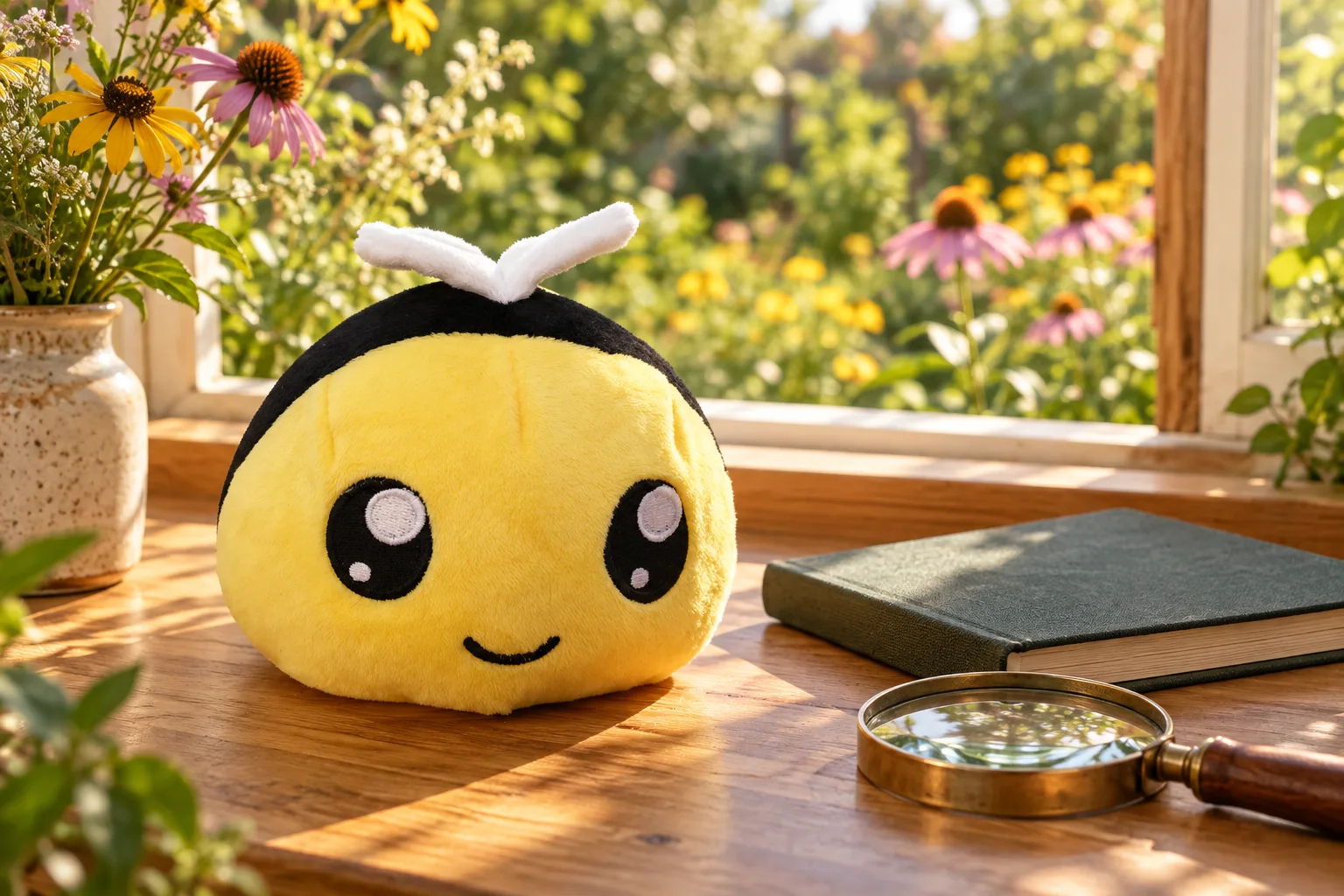
For someone who enjoys sharing these discoveries, the Original Adopt a Bee® Plush Toy from Project Honey Bees can be a friendly conversation starter. Pair it with a favorite bee fact rather than presenting a toy as a scientific model.
Are all bees facing the same conservation problems?
No, honey bees and native bees can face overlapping pressures, but their conservation situations are not identical.
Parasites, pathogens, inadequate nutrition, and pesticide exposure can affect honey bee health. The Varroa mite is a particularly important parasite of western honey bees, and keeping managed colonies healthy requires informed management.
Native bees include many species with different ranges and ecological needs. Habitat loss, limited floral resources, and pesticide exposure can affect them, but a statement about one species should not automatically be applied to every bee.
Likewise, honey bee colony losses and the extinction risk of a wild bee species are different measurements. Avoid dramatic claims that all bees are disappearing at the same rate. Good pollinator conservation starts by identifying which bees need help and what pressures they face locally.
Which honey bee facts and myths matter for conservation?
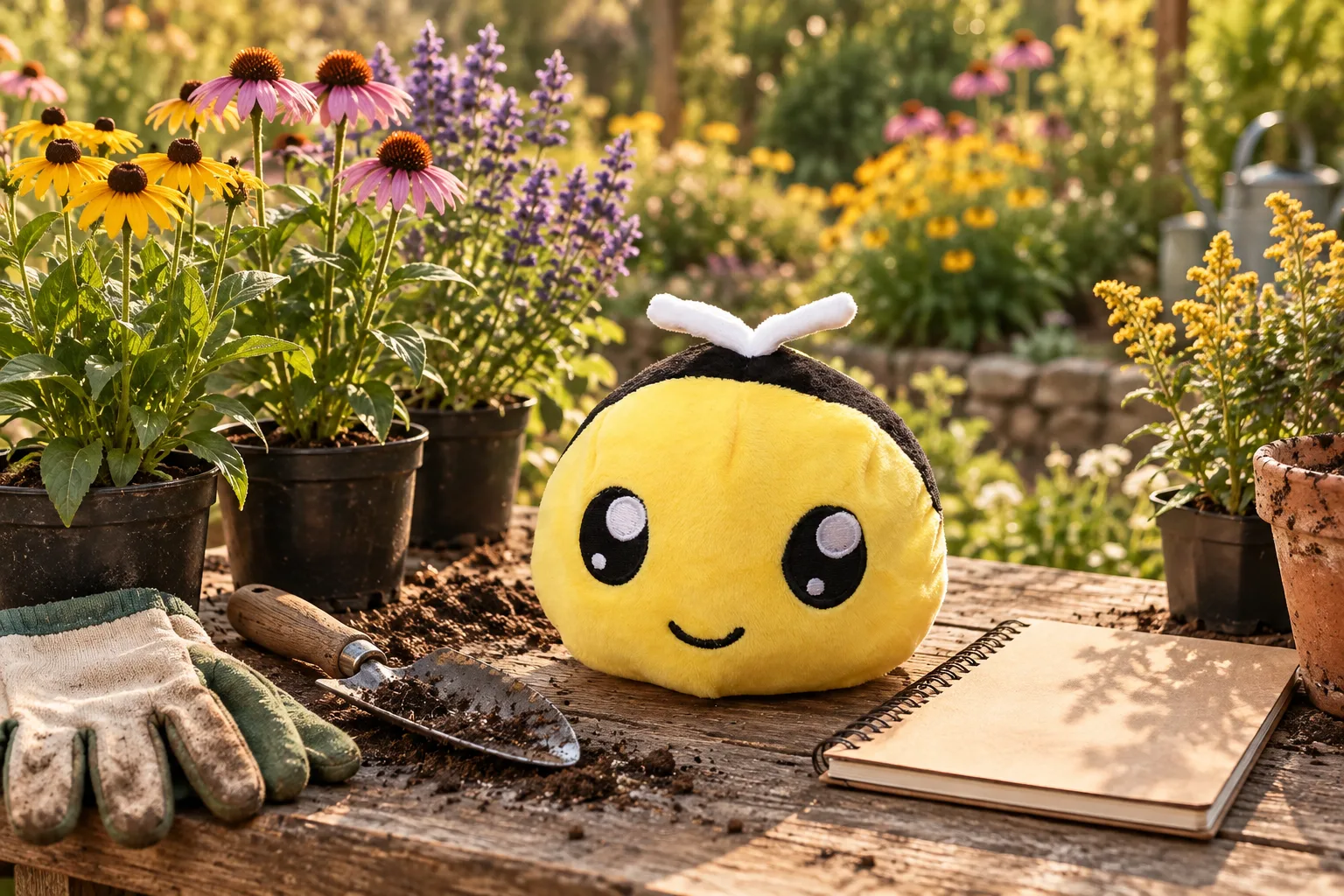
The most useful conservation lesson is that adding honey bee hives is not a substitute for protecting diverse pollinator habitat.
Pollinator support should match local conditions. Managed honey bees and wild bees can use the same flowers, so introducing more colonies does not automatically benefit native species. Improving habitat is a practical starting point that does not require becoming a beekeeper.
The EPA’s pollinator protection guidance also emphasizes reducing pesticide risks. A practical plan can be straightforward:
- Provide varied blooms: Choose regionally appropriate plants with overlapping flowering seasons.
- Include native plants: Use local university extension recommendations to find suitable species.
- Preserve nesting opportunities: Leave appropriate patches of undisturbed soil and retain some stems where practical.
- Use pesticides carefully: Follow label directions and restrictions intended to protect pollinators.
- Learn before keeping bees: Seek local training in colony care, disease management, and responsible hive placement.
Shopping and habitat work serve different purposes. A bee-themed gift can encourage interest in pollinators, while planting suitable flowers and protecting nesting habitat can provide resources in your own outdoor space. Review a seller’s current program details before assuming a purchase funds conservation.
What are some frequently asked questions about helping bees?
Helping bees starts with suitable flowers, nesting habitat, and reduced pesticide risks. The best actions depend on the species, season, and local conditions; caring for a managed honey bee colony requires additional knowledge.
How can you help the bees?
Provide flowers across the growing season, preserve suitable nesting habitat, and reduce avoidable pesticide exposure. Supporting a variety of pollinators is more useful than assuming every bee needs a managed hive.
How can you help save honey bees?
Support healthy forage and responsible beekeeping rather than trying to handle colonies without training. Beekeepers need to manage parasites and other colony-health pressures; non-beekeepers can help by improving habitat.
How can you help bees in winter?
Leave suitable stems, leaf litter, and other overwintering habitat undisturbed where practical, because different native bees spend winter in different places. Managed honey bee colonies need climate-appropriate beekeeper care, so do not open or feed someone else’s hive.
Ready to turn bee curiosity into a meaningful gift?
A bee-themed gift can keep the conversation about pollinators going long after the facts are read.
Consider the Adopt a Bee® Gift Set for someone interested in bees. Review the product description and adoption information for current contents and program terms, including any stated conservation contributions.
Shop all bee gifts to find a meaningful match, or learn how adoption works before choosing.