Which bee conservation projects can you join from home?
You can join bee conservation projects by photographing bumble bees for Bumble Bee Watch, recording flower visitors through The Great Sunflower Project, or participating in university-led pollinator surveys. Choose a project that accepts observations from your location, follow its current instructions, and submit accurate records without handling bees or disturbing nests.
You do not need a hive, a large garden, or professional equipment to begin. A flowering container, an accessible community garden, or a permitted observation spot in a park can provide somewhere to watch bees. The important distinction is between casually noticing insects and collecting observations that a project can actually use.
This guide focuses on community science: public participation in organized research and monitoring. Rather than starting another general garden makeover, you will learn how to choose a project, record useful information, and understand what your contribution can—and cannot—show.
How do bee conservation projects help researchers?
Bee conservation projects help researchers by collecting observations across places and times that a small research team could not easily cover alone.
According to the USDA, animal pollinators support the reproduction of many flowering plants, including crops. Understanding where pollinators occur and which flowers they visit can help inform conservation questions. However, different kinds of observations answer different questions.
A photograph can document a bee at a particular location. A timed count can record flower-visiting activity under specified conditions. Repeated observations made using a consistent method may help researchers investigate patterns, but a single busy afternoon cannot establish whether local bee populations are increasing.
Honey bees also are not interchangeable with all other bees. A project focused on bumble bees needs bumble bee records, while a broader flower-visitor survey may include honey bees, other bees, flies, and butterflies. Following that distinction makes your contribution more useful.
Which project is the best fit for your time and space?
The best project is one whose location requirements, observation method, and schedule fit what you can reliably do.
Start with an established program rather than inventing a survey and hoping someone can use the results afterward. Read its current participation instructions before your first outing, and check whether submissions are open for your area.
Can you help by taking photographs of bumble bees?
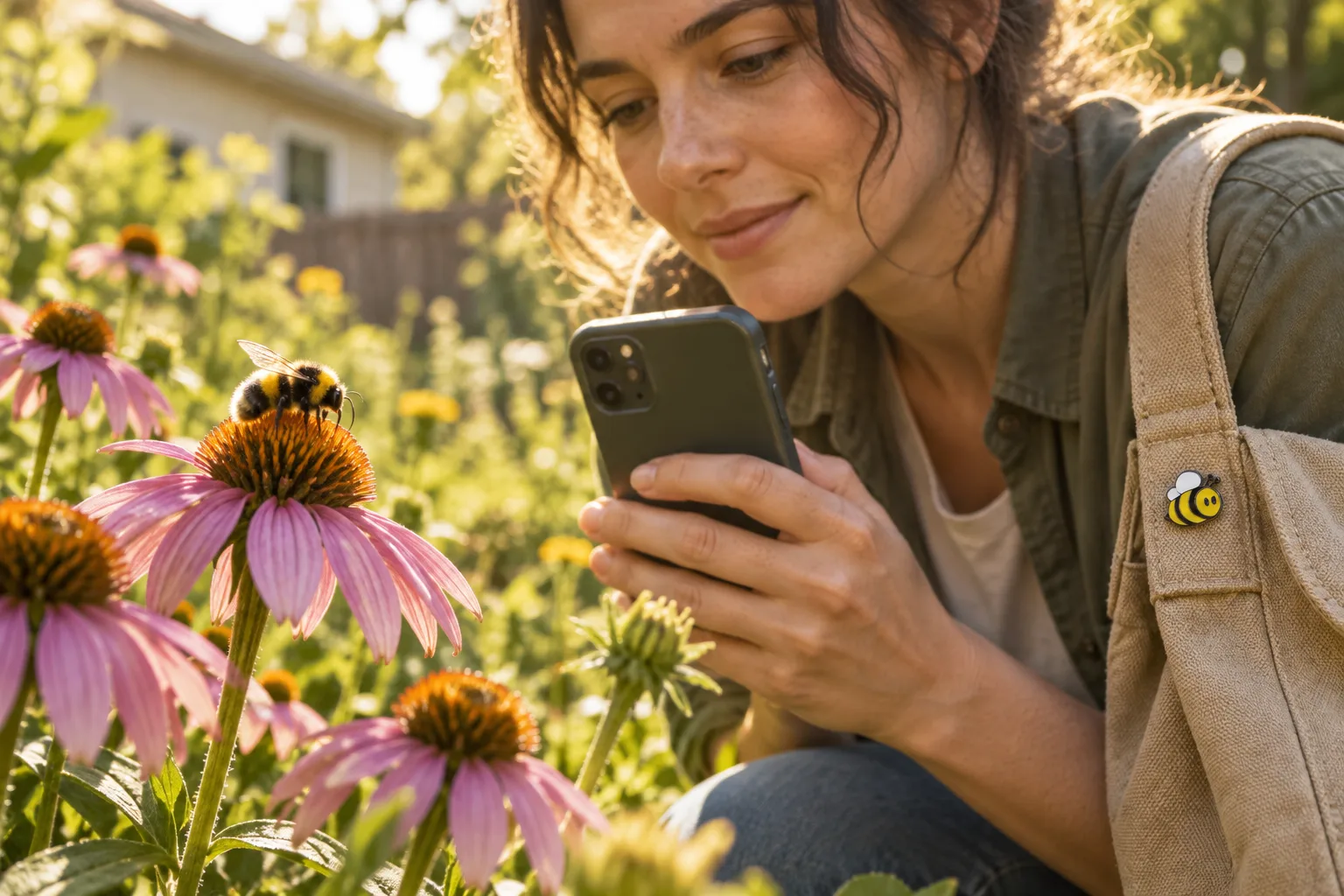
Bumble Bee Watch is an option for people in North America who want to contribute photographs of bumble bees.
The Bumble Bee Watch platform collects photographic observations and uses expert review to help verify identifications. Its focus is bumble bees, not every insect visiting a flower. Read its photography and submission guidance before collecting records.
This approach suits someone who enjoys photography and prefers observations that do not require a scheduled flower count. Photograph bees where they are naturally active, keep your distance from nests, and never capture an insect just to improve a picture.
Can you help by counting visits to flowers?
The Great Sunflower Project offers a way to contribute observations of pollinators visiting flowers.
The Great Sunflower Project, founded by a San Francisco State University researcher, provides participation instructions for recording flower visitors. Check its current protocols for observation duration, plant information, and reporting categories rather than assuming any informal count will qualify.
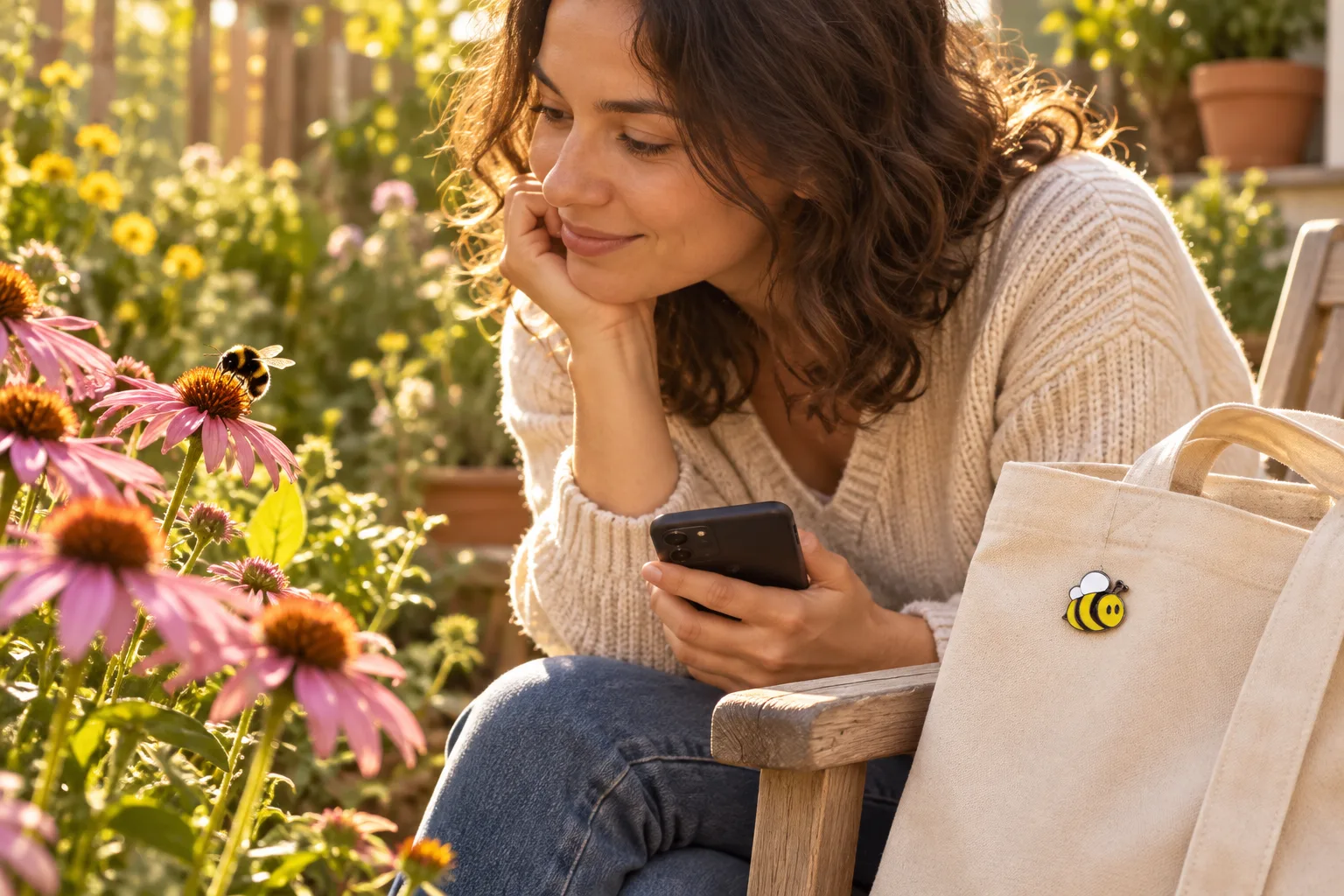
A flower-observation project can suit people who have reliable access to a flowering patch and enjoy sitting quietly in one place. You do not need to turn your whole yard into a research site; you need a suitable observation location and a willingness to follow the method.
Can you join a university-led local survey?
University extension programs can help you find regional bee monitoring opportunities and training.
Search your state university's extension website for pollinator surveys, bee atlases, or community science programs. Some projects operate only during specific seasons or recruit within particular counties. Confirm the current status directly instead of relying on an old recruitment announcement.
Local projects may offer identification training or methods tailored to regional species. Their requirements can be more involved, so check whether participation includes training sessions, repeated visits, or equipment before committing.
What should you check before choosing a project?
Check the project's purpose, participation rules, and data requirements before spending time collecting observations.
A clear protocol is more valuable than an impressive-sounding project name. Look for an identifiable organizing institution, current instructions, and an explanation of what participants submit.
- Location: Does the project accept observations from your state or region?
- Target insects: Does it record bumble bees, all bees, or a wider range of flower visitors?
- Method: Are photographs, timed counts, or repeat visits required?
- Identification: Can beginners submit uncertain identifications for review?
- Access: Can you legally and safely observe at your chosen site?
- Privacy: How are location details displayed, particularly for observations at home?
- Commitment: Is the schedule realistic during your local flowering season?
If a project requires specimen collection or nest inspection, do not improvise those activities. Choose a noninvasive beginner option unless you have the required training and permission.
For a volunteer or science-minded friend, Project Honey Bees' Save The Bees® Pin is a small, wearable reminder of their interest in pollinator conservation. It complements participation as a conversation starter, rather than replacing the value of careful field observations.
How do you collect useful observations without disturbing bees?
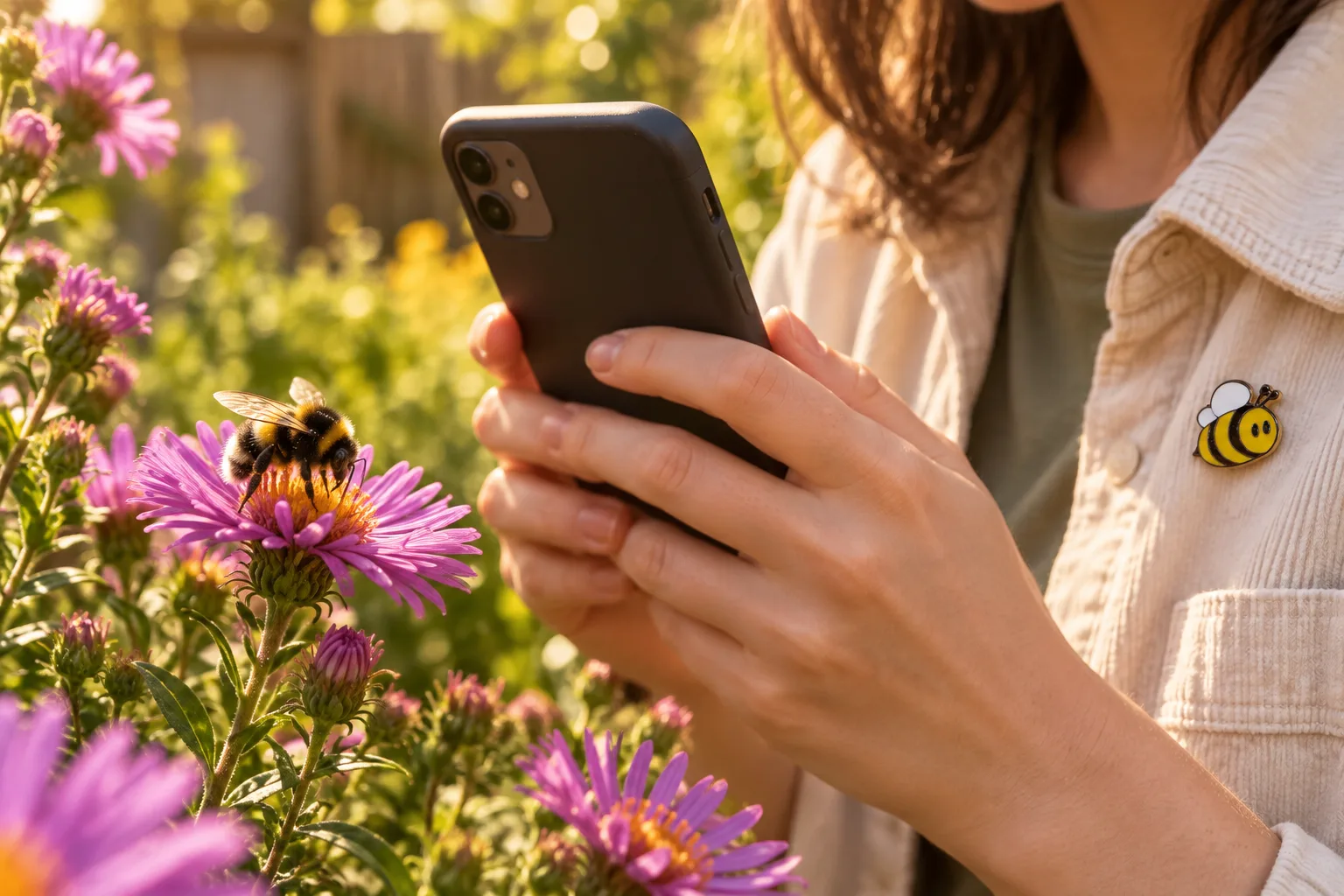
Collect useful observations by following the project's protocol, recording details promptly, and leaving bees and their nests undisturbed.
The University of Minnesota Extension's pollinator resources explain the importance of both floral resources and nesting habitat. Observation should not damage either one. Avoid trampling flower patches, uncovering nests, or moving insects between plants.
- Read the instructions first. Know which insects count and what information is required.
- Choose an accessible spot. Obtain permission where needed and avoid blocking paths.
- Record the requested conditions. Note the date, location, observation duration, and any weather details the project asks for.
- Use the specified counting method. A flower visit is not automatically a different individual bee.
- Document uncertainty honestly. Use the project's broader identification categories when appropriate.
- Submit records promptly. Upload photographs and observations while the details are still clear.
Bee identification takes practice, and some flower-visiting flies resemble bees. Do not force an observation into a species name because it looks close to an online photograph. A clear image with an appropriately cautious identification can be more useful than a confident mistake.
Keep your own safety in mind, too. Observe without touching insects, avoid nest entrances, and leave if bees become defensive.
What can a small project realistically tell you?
A small project can document local observations, but it usually cannot prove a population trend or a conservation outcome by itself.
Bee activity varies with weather, flowering conditions, time of day, and season. Seeing fewer bees on one visit does not necessarily mean the local population has declined. Likewise, photographing many honey bees does not establish that a site supports a diverse native bee community.
Repeated, standardized observations are easier to interpret than unrelated snapshots. If your project allows personal summaries, describe exactly what you recorded: flower visits during specified sessions, for example, rather than the number of bees living in your neighborhood.
For a school or family activity, success can mean completing training, submitting usable records, and learning to distinguish major insect groups. These are meaningful outcomes without claiming that a short observation exercise has restored an ecosystem.
What are frequently asked questions about bee conservation projects?
Common questions about bee conservation projects include where to find local opportunities, how to help bees at home, and what pollination contributes to the environment.
How can I find bee conservation projects near me?
Start with your state university's extension service and local nature centers to look for current monitoring opportunities. Ask specifically about beginner community science projects, geographic eligibility, and training rather than assuming every conservation organization accepts volunteer observations.
How can you help bees at home?
You can help bees at home by providing suitable flowers and nesting habitat, reducing unnecessary pesticide use, and contributing observations to an established project. University extension guidance can help you choose regionally appropriate plants, while a project's protocol explains how to collect usable records.
What do bees do for the environment?
Bees transfer pollen as they visit flowers, helping many flowering plants reproduce. According to the USDA, pollination supports plant communities and food production, although not every plant depends on bees or other animal pollinators.
How can you help bees in your backyard?
Provide a sequence of locally appropriate flowering plants and protect suitable nesting areas instead of focusing only on honey bees. If you also want to monitor visitors, choose an established survey and follow its observation method consistently.
How can you celebrate someone who cares about bees?
A bee-themed gift can recognize someone's interest in conservation while giving them a lasting reminder of that commitment.
The Adopt a Bee® Gift Set from Project Honey Bees is an option for celebrating a new volunteer, a completed community science project, or a friend who loves pollinators. Review the current product details and adoption terms before purchasing to understand what is included.
Ready to find a meaningful gift? Shop all bee gifts, or explore how adoption works before choosing.