
Searching for bee conservation organizations near me is a useful first step toward turning concern for pollinators into practical support. The best match may be a habitat-restoration nonprofit, a native plant society, a community science program, or a beekeeping association—not necessarily an organization with “bee” in its name.
This guide explains where to look in the United States, how to check a group’s work, and how to choose between volunteering, donating, and buying a conservation-minded gift.
How can I find bee conservation organizations near me?
To find bee conservation organizations near you, start with your county Cooperative Extension office, state native plant society, and local land trust. Use the Xerces Society and Pollinator Partnership for additional resources, then check each group’s current projects, volunteer opportunities, and funding transparency before deciding how to help.
Local pollinator conservation often happens through organizations that protect broader landscapes. A park friends group restoring a meadow or a land trust managing native habitat may offer a more practical opportunity than a distant organization devoted exclusively to bees.
Try several searches rather than relying on one map result:
- Your county + Cooperative Extension + pollinators: Look for regional guidance and contacts.
- Your state + native plant society: Check for chapters, educational events, and habitat projects.
- Your city + pollinator volunteer: Find workdays hosted by parks, gardens, and community groups.
- Your county + land trust + meadow restoration: Discover projects that may support bees alongside other wildlife.
- Your state + beekeepers association: Explore honey bee education and responsible beekeeping resources.
According to the USDA National Institute of Food and Agriculture, Cooperative Extension connects university research with community education through a nationwide network. An Extension office is a useful starting point for questions, though it may not run conservation volunteer programs itself.
Which organizations are useful starting points?
The Xerces Society, Pollinator Partnership, and university Extension programs are useful starting points for finding reliable information and identifying relevant local work.
These resources serve different purposes, so treat them as complementary rather than interchangeable. A national organization may provide excellent guidance without having a nearby office or an open volunteer event.
What does the Xerces Society do for bees?
The Xerces Society for Invertebrate Conservation works on invertebrate conservation, including pollinator habitat, pesticide issues, and bee conservation. Its resources can help you understand what a substantive habitat project should address.
Look for information relevant to your region and the type of landscape involved. Guidance for a farm, a roadside, and a small urban garden will not necessarily recommend the same management practices.
What does Pollinator Partnership offer?
Pollinator Partnership offers pollinator education, planting resources, and conservation programs. Its regional planting guidance can help you ask better questions about a local group’s plant choices and habitat goals.
Check current program pages for eligibility, locations, and participation details. An organization’s national reach does not mean every program operates in every community.
Can a local beekeeping association help?
A beekeeping association can be helpful when your main interest is honey bee care, beekeeper education, or finding local beekeeping contacts. However, beekeeping education and conservation of wild native bees are related but distinct activities.
Ask whether the association also supports habitat restoration, pesticide education, or partnerships with native plant groups. Its actual projects matter more than the presence of a bee in its logo.
How do I compare bee conservation organizations near me?
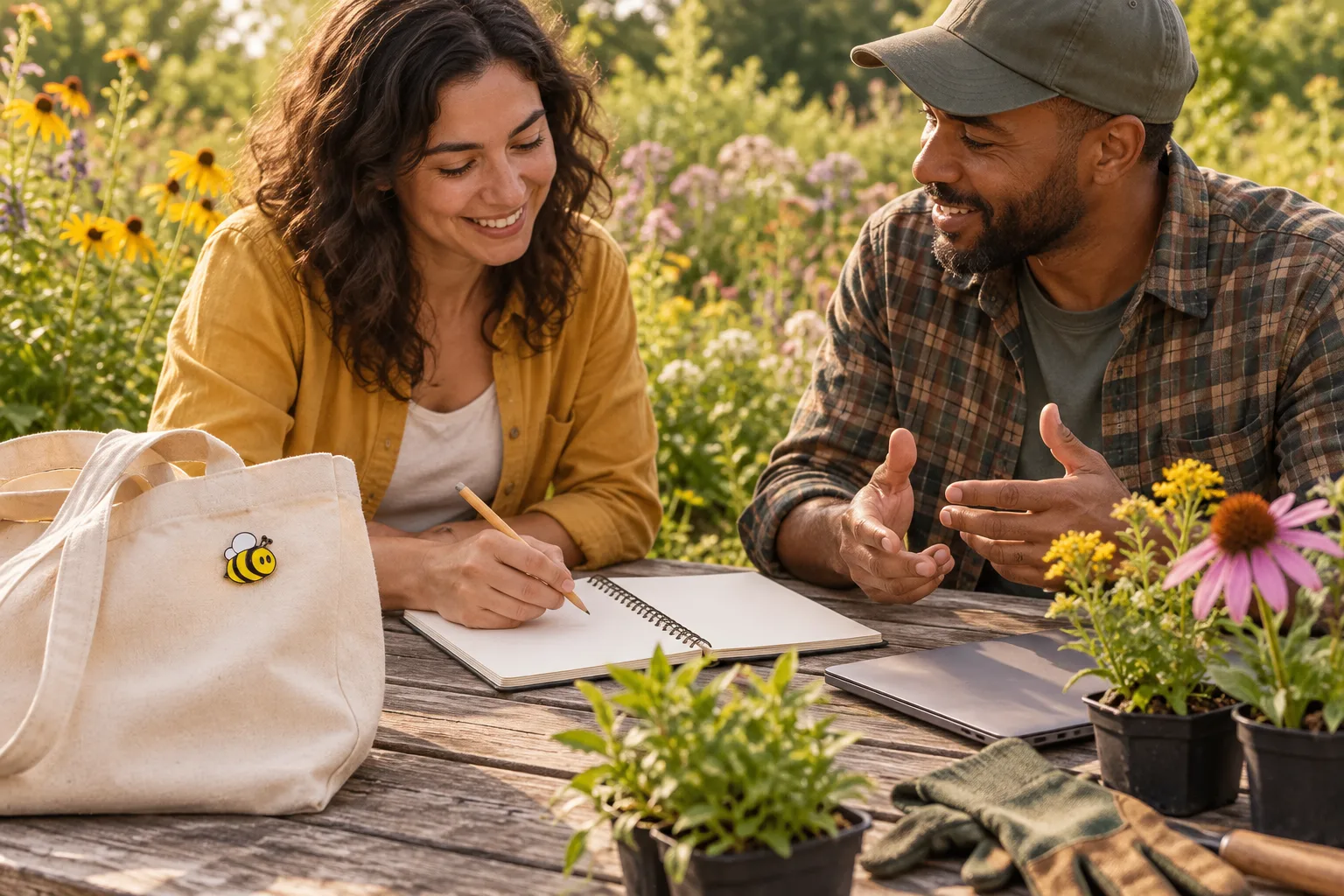
Compare bee conservation organizations by their specific goals, documented activities, habitat practices, and transparency about how support is used.
A smaller organization does not need a polished website to do valuable work. It should, however, be able to explain what it does, who manages the work, and what help it currently needs.
- Look for a defined project: “Restore flowering habitat at a named park” is more informative than “save every bee.”
- Check recent activity: Find current event dates, project updates, or a reachable coordinator.
- Ask about maintenance: New plantings need follow-up care, not just a planting-day photograph.
- Review plant selection: Ask whether plants suit the region and provide flowers across the growing season.
- Ask about pesticide exposure: Find out how the group approaches pest management and protects pollinators.
- Check financial clarity: Donation pages should explain the recipient and intended use without promising unsupported outcomes.
The U.S. Environmental Protection Agency identifies habitat creation and steps to reduce pesticide exposure as ways people can help protect pollinators. These are useful subjects to discuss with a project coordinator, rather than treating hive counts as the only measure of conservation.
If tax deductibility matters to you, verify the recipient’s status through the IRS Tax Exempt Organization Search. A retail purchase, an informal community collection, and a donation to a qualifying nonprofit are not the same transaction.
Should I support honey bees or native bees?
You can support both honey bees and native bees, but you should know which bees a project serves and what problem it addresses.
Honey bees are important managed crop pollinators, while native bees also contribute to pollination. The western honey bee, commonly kept by U.S. beekeepers, is not native to North America.
Projects focused on honey bees may provide beekeeper training or improve managed-colony care. Native bee projects may protect nesting habitat, restore appropriate flowering plants, or monitor particular species.
Adding honey bee hives is not automatically a native bee conservation project. If a group presents hive installation as its main conservation activity, ask how that work fits local habitat conditions and the needs of wild pollinators.
Habitat-focused work can offer a practical shared priority. A project that protects suitable flowers and nesting places can address resources bees need without assuming that every bee species lives in a hive or produces harvestable honey.
What can I do if there is no nearby bee organization?
You can help through existing community groups, responsible habitat care, or structured community science even when no dedicated bee organization operates nearby.
Start by asking a park, library garden, school garden coordinator, or land trust whether it already has a pollinator project. Joining an existing effort can make ongoing watering, weeding, and maintenance more manageable than starting alone.
- Offer a specific skill: Photography, event coordination, bookkeeping, and website updates can be useful alongside outdoor work.
- Ask before planting: Obtain permission and confirm who will maintain the site.
- Use regional plant guidance: Choose plants suited to the location rather than an unspecified “wildflower” mix.
- Follow monitoring instructions: Community science records are more useful when participants follow the program’s identification and reporting methods.
Ask organizers about accessibility, tools, weather plans, and age requirements before attending. A clear, manageable commitment is more useful than signing up for work you cannot sustain.
Can buying a bee gift support conservation?
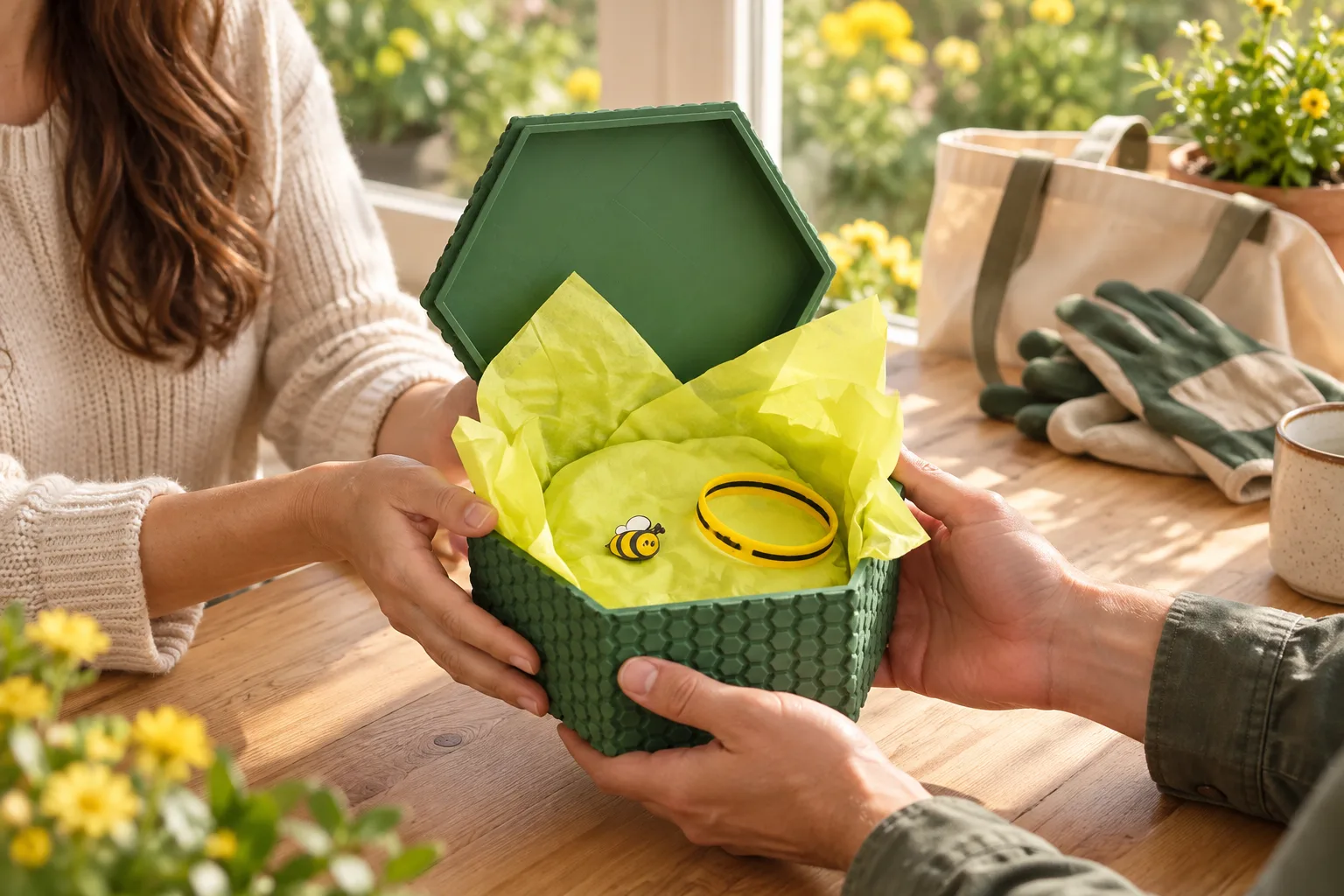
A bee-themed purchase can support conservation if the seller directs funds to conservation work, but it should not be confused with a direct charitable donation. Look for a stated contribution amount or percentage, a named recipient, and documentation of the support provided.
For gifts for bee lovers, consider the Project Honey Bees Adopt a Bee® Gift Set. Review the current product description and adoption terms to confirm what is included and whether a conservation contribution is documented.
A bee-themed gift can start a conversation about pollinators. Do not assume that a purchase includes adopting or naming an individual queen bee, hive ownership, honey deliveries, or a particular local restoration outcome unless those benefits are explicitly stated and supported.
You can also pair a gift with a shared volunteer outing. That keeps the purchase and the hands-on conservation activity distinct while giving the recipient another way to explore an interest in bees.
What are common questions about helping bees locally?
Common questions concern where to find local organizations, how to help bees, and why pollination matters. This FAQ offers starting points; use regional guidance when choosing plants or planning habitat work.
Are there bee conservation organizations near me?
Look for nearby opportunities through your county Extension office, native plant society, land trust, and parks department. Dedicated bee conservation groups are not the only option; broader habitat organizations may run relevant local projects.
How can I help the bees?
Provide suitable flowering plants, protect nesting habitat, and reduce avoidable pesticide exposure. For a community contribution, ask a local conservation group which existing bee conservation projects need volunteers or financial support.
How can I protect the bees?
Protect bees by preserving the food and nesting resources they use and following pesticide label requirements whenever pesticides are used. Seek region-specific advice from university Extension rather than assuming every bee species needs the same kind of care.
What do bees do for the environment?
Bees move pollen between flowers as they forage, helping many flowering plants reproduce. Those plants contribute to habitats and food resources used by other wildlife, while some bee-pollinated plants also produce crops people eat.
How can you give a bee gift with a purpose?
Choose a bee gift that suits the recipient, then use its story as an invitation to learn about pollinator conservation.
A small option such as the Save The Bees® Pin can keep that interest visible on a bag or jacket. Check the current product and adoption details for included benefits and any documented conservation contribution.
Ready to start shopping? Shop all bee gifts and explore how adoption works to choose a meaningful present with clear expectations.