Are Beeswax Candles Vegan?
No, beeswax candles are not vegan because beeswax is produced by honey bees and is an animal-derived ingredient. That remains true whether the wax is organic, locally harvested, or sustainably sourced. For a vegan candle, choose a beeswax-free formula and check that its other ingredients also meet vegan requirements.
The distinction matters when you are shopping for yourself or choosing a gift for someone whose values you want to respect. A candle can be natural, carefully sourced, and meaningful to its owner without being vegan. Those descriptions answer different questions about a product.
This guide explains where beeswax comes from, how to compare beeswax alternatives, and which questions help you choose a candle without relying on vague packaging claims.
Why Is Beeswax Considered an Animal-Derived Ingredient?
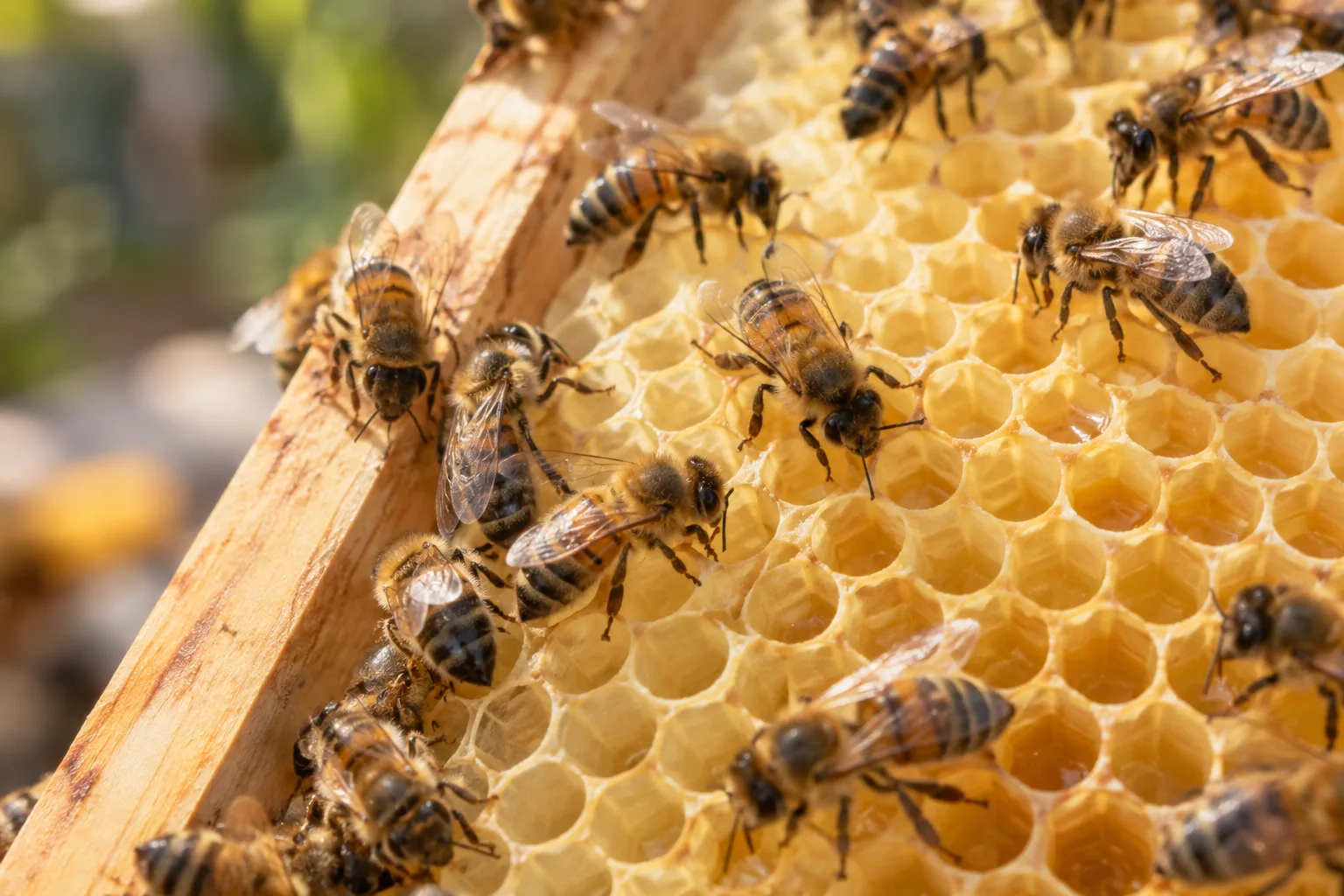
Beeswax is animal-derived because worker honey bees produce it with specialized wax glands and use it to build their colony's comb.
University of Florida IFAS Extension describes wax production and comb building as part of worker honey bee biology. The comb provides cells where a colony raises young and stores food. Beeswax is therefore a material made by animals, not a wax extracted from a plant.
Honey and beeswax are different substances, but both come from honey bee activity. Filtering or melting beeswax for candles does not change its origin. Neither does removing its natural color or blending it with another wax.
The Vegan Society's definition of veganism seeks to exclude animal exploitation and cruelty as far as possible and practicable. Under that framework, intentionally purchasing a product made with beeswax does not fit a vegan choice. This is about the ingredient's source, not whether the finished candle looks or smells different from a plant-based one.
Are Beeswax Candles Vegan If They Are Sustainably Sourced?
No, sustainably sourced beeswax is still animal-derived, so sourcing claims do not make a beeswax candle vegan.
A claim about sourcing may describe a producer's approach to beekeeping, processing, or purchasing wax. A vegan claim addresses whether animal-derived ingredients and animal exploitation are involved. One cannot substitute for the other.
These common candle descriptions deserve separate consideration:
- Natural: Does not establish that a candle is free of animal-derived ingredients; beeswax itself is a natural material.
- Organic: Does not mean animal-free. Look at what the claim actually covers.
- Locally made: Describes where production happens, not where every ingredient originates or whether it is vegan.
- Sustainably sourced: Needs a specific explanation from the seller and does not change beeswax into a plant-based wax.
- Vegan: Should address the complete product, not simply one component of a wax blend.
A shopper may reasonably prefer beeswax for personal reasons. The important point is to describe that choice accurately rather than treating every positive-sounding label as interchangeable.
Does Harvesting Beeswax Harm Honey Bees?
The effect of beeswax harvesting depends on beekeeping and processing practices, so a candle's ingredient list alone cannot establish how a colony was treated.
Honey bees use comb as essential colony infrastructure. Beekeepers can recover wax from different parts of hive management, including the wax cappings removed when extracting honey. That origin does not, by itself, prove that every step of production was harmless or harmful.
If animal welfare is your main concern, ask a seller what it knows about its wax supplier and management practices. Broad claims such as “the bees are happy” provide less useful information than a clear explanation of where the wax comes from.
However, you do not need to resolve every welfare question to decide whether beeswax is vegan. Its animal origin already answers that narrower question. Ethical assessments of beekeeping and the definition of an animal-free ingredient are related but separate issues.
Which Beeswax Alternatives Can Vegan Shoppers Consider?
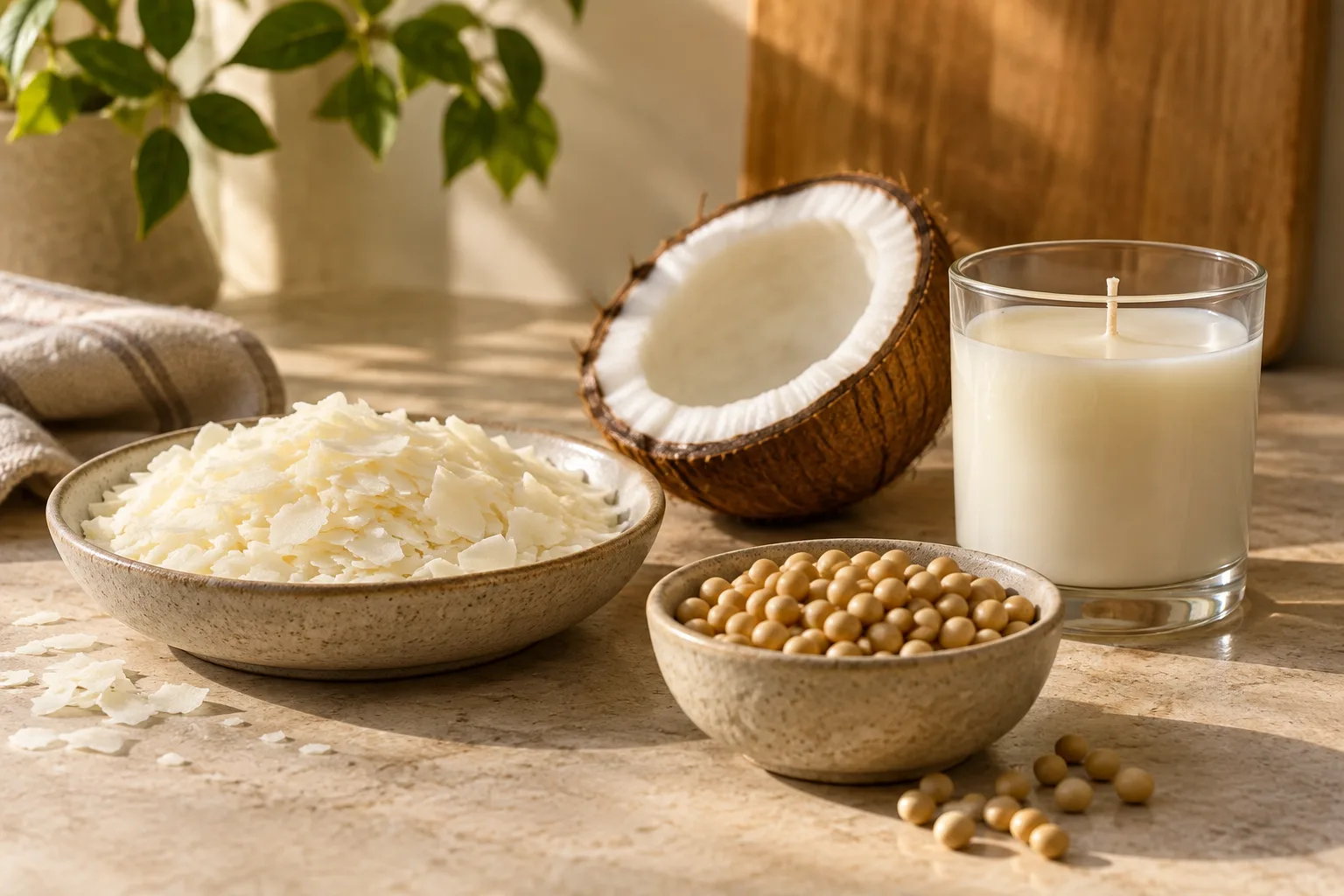
Vegan shoppers can consider candles made with plant-derived waxes, provided the complete formulation contains no animal-derived ingredients and meets their vegan requirements.
The base wax is a useful starting point, but a familiar name on the front of the package is not a complete ingredient disclosure. “Soy blend,” for example, tells you that soy wax is present without identifying everything else in the blend.
- Soy candles: Soy wax is derived from soybean oil. Ask whether the candle contains only that wax or includes beeswax or other ingredients.
- Coconut wax candles: Coconut-derived wax can be an option, but check the composition of any blend.
- Rapeseed wax candles: Rapeseed-derived wax offers another plant-based option where available.
- Other clearly disclosed plant-wax blends: A combination of plant-derived waxes may suit a vegan preference when the remaining ingredients also qualify.
Paraffin is petroleum-derived rather than animal-derived, but it is not plant-based. This illustrates why “vegan” and “plant-based” are not always interchangeable descriptions of materials.
Wax choice alone also does not prove that one finished candle has a smaller environmental footprint than another. Agriculture, processing, packaging, and transportation all complicate sweeping sustainability comparisons.
When Might a Beeswax Candle Still Be the Right Gift?
A beeswax candle can suit someone who welcomes bee-derived products, but it is not an appropriate substitute for a specifically requested vegan candle.
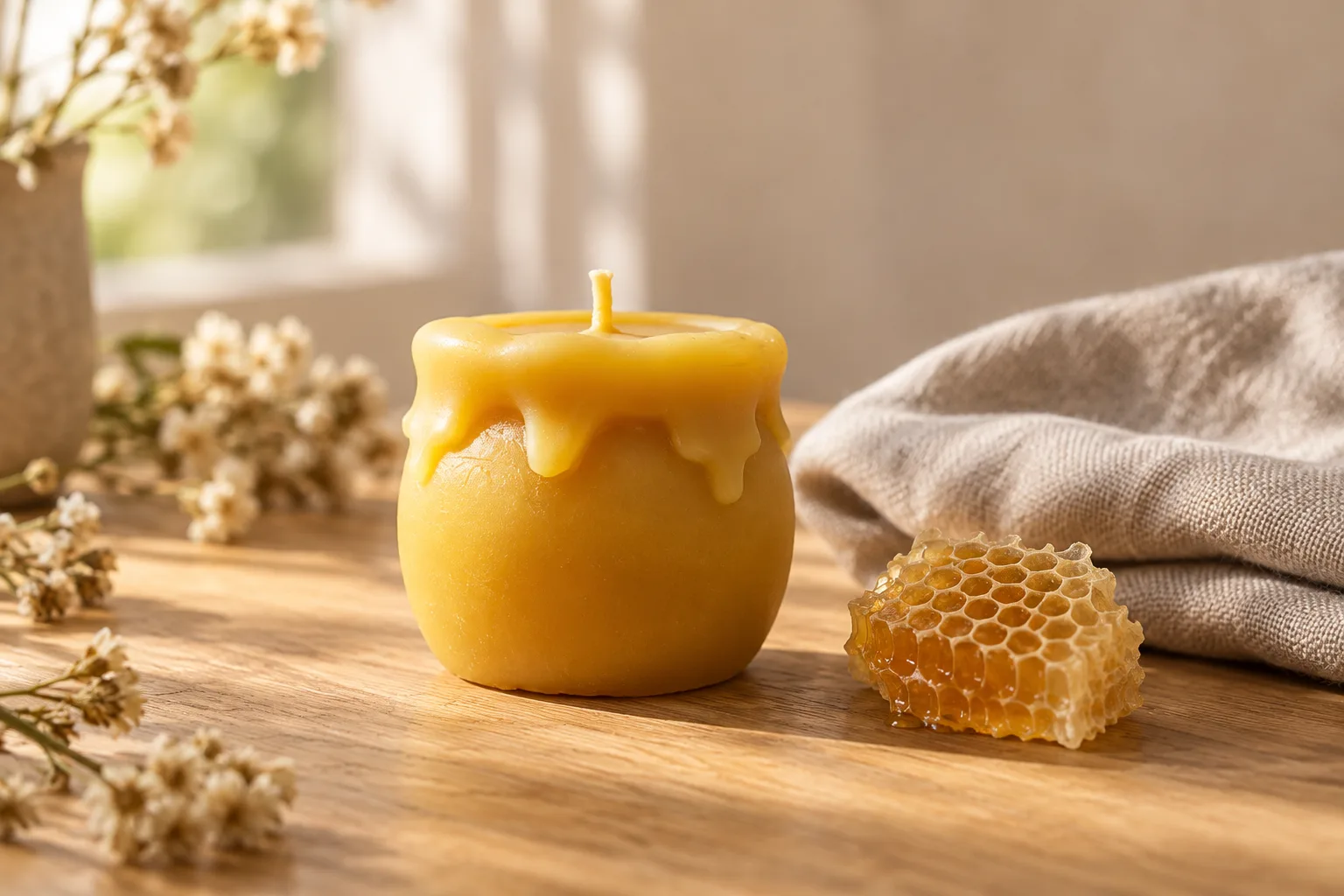
For a recipient who enjoys beeswax, explore Project Honey Bees' Save The Bees™ Beeswax Candle. Check the current product listing for its size, composition, sourcing information, and any purchase benefits.
A bee-themed gift may feel personal, but its theme does not change the candle's ingredients or vegan status. If you are unsure about the recipient's preferences, asking “Do you use beeswax products?” is more considerate than assuming a bee lover will welcome every bee-derived material.
How Do You Check Whether a Candle Is Vegan?
Check the complete candle formulation and the meaning of any vegan claim rather than relying on the product name alone.
An ingredient check can help identify nonvegan components. Use these steps when comparing vegan candles online or in a store:
- Read the wax description: Look for beeswax, animal-derived waxes, or an unspecified wax blend.
- Ask what the blend contains: A candle described as mostly soy could still include nonvegan ingredients.
- Check beyond the base wax: Ask about fragrance ingredients, colorants, additives, and wick treatments when details are unclear.
- Look for a product-specific statement: A brand may sell both vegan and nonvegan items, so check the exact candle.
- Review certification details: If a certification is displayed, identify the organization and what its standard covers, including its animal-testing requirements.
A useful message to a seller is: “Does this finished candle contain beeswax or any other animal-derived ingredients, including additives and wick coatings?” Also ask about animal testing; an animal-free ingredient list alone does not establish the brand's testing practices.
Do not treat missing information as proof either way. If the seller cannot clarify a blend, choosing a more transparent product is the simpler route.
Can You Support Pollinators Without Buying Beeswax?
Yes, supporting pollinators does not require buying beeswax or other bee-derived products.
The USDA Natural Resources Conservation Service emphasizes habitat and flowering resources in pollinator conservation. Regionally appropriate plants with overlapping bloom periods can provide food for different pollinators, while suitable nesting habitat supports species with different life cycles.
Honey bees are only one part of that picture. Native bees and other pollinators also need consideration, so conservation should not be reduced to a single product or species.
If you are considering a purchase promoted as supporting conservation, look for clear information about the beneficiary, the contribution, and the activities funded. A conservation claim should never be presented as proof that a product is vegan.
What Are the Frequently Asked Questions About Vegan Candles and Bee Products?
Beeswax and honey are not vegan, while a soy candle's vegan status depends on its complete formulation and relevant production practices. These frequently asked questions explain the distinctions.
Is beeswax vegan?
No, beeswax is not vegan because honey bees produce it. Its animal origin remains the same when it is used in candles, cosmetics, food wraps, or other products.
Are soy candles vegan?
Soy wax itself is plant-derived, but a soy candle is not automatically vegan. Check whether the finished candle includes beeswax or other animal-derived ingredients, especially when its label says “soy blend.” Review any vegan certification and its animal-testing requirements as well.
Is honey vegan?
No, honey is generally excluded from a vegan lifestyle because it is produced by honey bees. Choosing honey from a particular beekeeper does not change its animal origin.
Are beeswax candles cruelty-free?
Beeswax candles are not automatically cruelty-free, and a cruelty-free claim does not make them vegan. The claim may refer to animal testing rather than beekeeping or ingredient sourcing, so ask the seller exactly what it covers.
Ready to Shop for a Bee-Inspired Gift?
Start with the recipient's preferences, then choose a bee-inspired gift that fits their values.
If they welcome beeswax, explore the Save The Bees™ XL Beeswax Candle and check its current product details. For someone seeking an animal-free gift, check the materials of any alternative rather than assuming every item in a collection is vegan.
Shop all bee gifts to find a thoughtful match, or review how adoption works for the program's current terms before choosing.